
Are you curious about Montessori education but not sure where to begin? Let this article serve as your step-by-step Montessori guide. Whether you’re a parent setting up your first Montessori shelf at home, an educator seeking classroom ideas, or simply exploring child-centered learning methods, you’ve landed in the right place.
The Montessori Family Center blog is filled with evidence-based, accessible resources for every stage of your child’s development. But with dozens of articles to explore, knowing where to start can be challenging. That’s why we’ve created this step-by-step guide to Montessori: a curated index of our most useful articles, sorted by topic.
Here, you’ll find everything from practical life materials and math tools to outdoor play guides, parenting advice, and sensory activities. Whether you’re looking for Montessori ideas for toddlers or strategies to support neurodiverse learners, this hub points the way. Scroll on to explore each category — and let this step-by-step guide support your Montessori journey, one resource at a time.
Step-by-step Montessori curriculum guide: Navigate core subjects in Montessori education
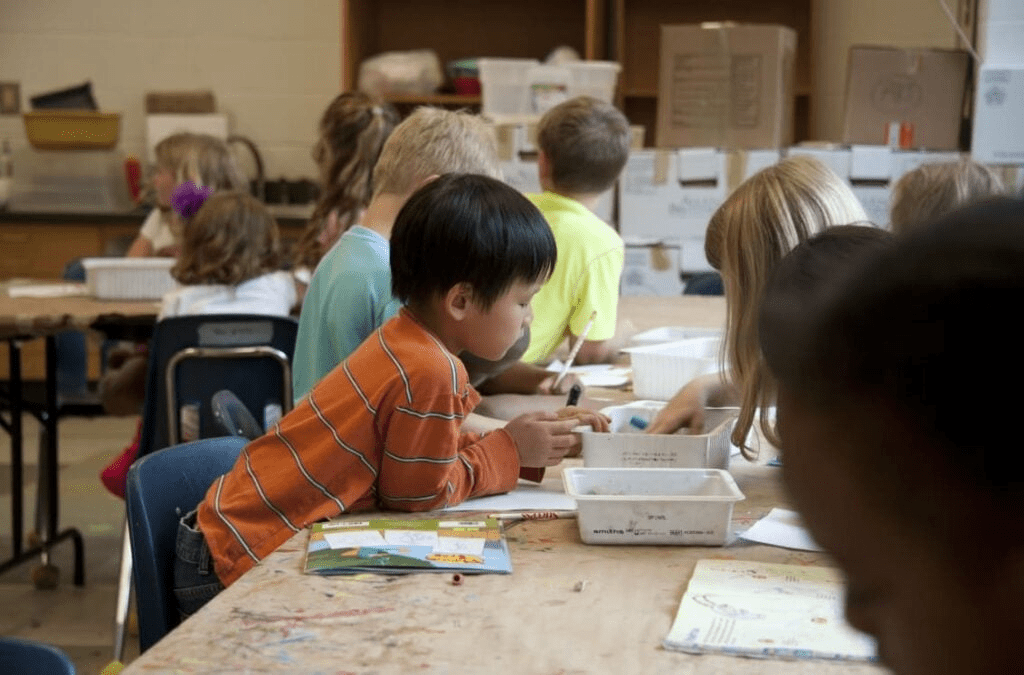
The Montessori method offers more than an alternative way of teaching — it provides a complete developmental pathway for children. Designed to support natural curiosity, the Montessori curriculum introduces subjects in a purposeful sequence. Instead of focusing on memorization or rigid testing, this educational framework invites children to engage with carefully designed materials. It leads them from concrete experiences to abstract understanding.
This step-by-step Montessori curriculum guide is your gateway to understanding how each subject unfolds in the Montessori classroom. From math to coding, these resources will walk you through how children learn core subjects.
Montessori math explained: How to introduce numbers to children with Montessori materials and activities
Mathematics in Montessori starts long before a child writes their first number. With tactile materials like number rods, golden beads, and spindle boxes, children explore quantity, sequence, and place value. This experiential foundation makes abstract concepts like addition and subtraction feel intuitive.
In our in-depth article on Montessori math, you’ll learn how children progress from sensorial experiences to solving equations. We also explain how Montessori materials are sequenced and how math becomes a joyful activity.
Montessori method of teaching reading and writing: A guide for parents and educators
The Montessori approach to literacy reverses the traditional order. Children begin with writing before reading. They use tactile tools like sandpaper letters and the movable alphabet to internalize phonetic sounds and letter formation. As they gain confidence in expressing their thoughts, reading begins to emerge naturally and joyfully.
Our article on the Montessori method of teaching reading and writing explores this unique progression in detail. You’ll find insights into how sounds are introduced. The material also shows how vocabulary is expanded and why writing becomes a powerful path to literacy. Ideal for both parents and educators, this step-by-step Montessori guide provides a structured, yet child-centered, roadmap to literacy.
Also, check our guide to bilingual Montessori. We explain how to teach children two languages the Montessori way, what benefits it offers, and what myths to ignore.
The Montessori way to science: Why it works and how to teach it
Science in Montessori is not taught through textbooks, but through observation, discovery, and real-world experimentation. Children learn to ask questions, form hypotheses, and explore nature — whether through botany walks, sink-and-float activities, or hands-on experiments.
In our article on Montessori science, we outline how scientific thinking is introduced early. You’ll also find tips on preparing your space to encourage scientific exploration and ideas for sparking curiosity in everyday moments. The Montessori method makes science accessible, exciting, and deeply engaging from the start.
Montessori art: A guide to creative expression aligned with Montessori principles
Montessori art is about process, not product. Instead of step-by-step crafts, children are offered open-ended materials and encouraged to explore texture, color, and form. This supports not just creativity, but also autonomy, coordination, and emotional regulation.
The Montessori art guide shares how to set up an art area that promotes independence. It also highlights what kinds of materials align with Montessori values and how to honor the child’s inner artist. Whether you’re working with toddlers or older children, this resource helps foster authentic creative expression in a Montessori-aligned way.
The power of music in Montessori education: Developing the whole child through sound and rhythm
In Montessori education, music is not a separate subject — it’s part of everyday life. Children are encouraged to sing, explore rhythm, and experiment with instruments from an early age. Music supports language development, coordination, social skills, and emotional well-being.
Our article on Montessori music explains how musical activities are integrated across age levels and subject areas. You’ll also discover how rhythm games, movement, and cultural music experiences contribute to holistic child development in the Montessori classroom.
Introduction to the Montessori classroom: How the environment, teacher, and early learning work together
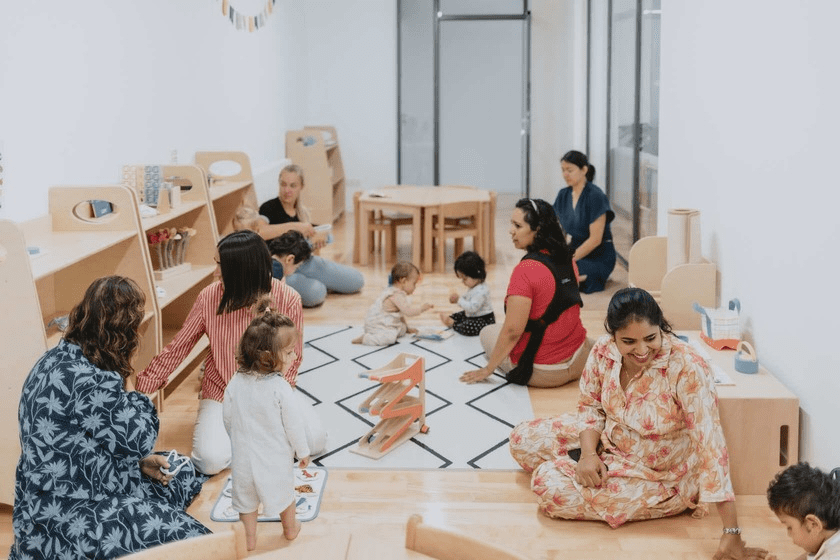
The Montessori classroom is not just a space — it’s a living, breathing ecosystem carefully designed to support child-led exploration. Every shelf, rug, and material has a specific role in nurturing autonomy, responsibility, and concentration. Rather than centering the adult as the source of knowledge, the Montessori method shifts the focus. It emphasises the environment and the child’s natural drive to learn. This thoughtful setup empowers children to move, choose, and engage independently within a structured and beautiful space. In this step-by-step Montessori overview, we explore what makes the Montessori classroom so effective.
Inside the Montessori classroom: How it’s set up and why it works
One of the most distinctive features of Montessori education is the prepared environment. It is a carefully arranged classroom that invites independence, calm, and focus. Everything in the space is child-sized, accessible, and intentionally minimal. It allows young learners to move freely, make choices, and take responsibility for their learning. Unlike traditional classrooms filled with bright posters and crowded desks, Montessori classrooms feel serene and purposeful.
In our detailed article on the Montessori classroom, we explain how the environment is divided into learning areas. You’ll discover how this layout supports self-direction, why order matter, and how the classroom adapts to different needs.
What is a Montessori teacher? Understanding their vital role in preschool and school
In Montessori education, the teacher takes on a radically different role. Instead of standing at the front and delivering lessons to the whole group, the Montessori guides work differently. They stay alongside children, observing, preparing the environment, and introducing materials at the right moment. The teacher’s job is not to lead the child, but to follow their development and support it without interference.
Our article on the Montessori teacher dives into what makes this role unique. You’ll learn about the qualifications of Montessori educators and why their calm presence is essential. This piece is especially useful for parents who want to better understand their child’s day-to-day support system.
Benefits of Montessori education: How early learning shapes a child’s future
Montessori education isn’t just about academic readiness — it’s about developing the whole child. Research has shown that children who attend Montessori programs often display stronger executive functioning, better emotional regulation, and a lifelong love of learning. These benefits stem from early experiences with independence, choice, and purposeful work.
In our article on the benefits of Montessori education, we explore how early exposure to self-paced learning, mixed-age interaction, and real-world responsibility contributes to long-term growth. You’ll discover why Montessori children are often more self-confident, curious, and socially skilled.
Montessori at home: Setting up purposeful spaces and nurturing independence step by step

Bringing Montessori into your home doesn’t require a complete lifestyle overhaul. However, it does call for intention, observation, and a little creativity. The step-by-step Montessori approach at home empowers families to create special environments. Environments that foster independence, concentration, and confidence from the earliest months of life. From furniture that respects your child’s autonomy to toys that invite open-ended play, every choice matters.
Whether you’re setting up a Montessori baby room or building a functional child-friendly kitchen, you are in the right place. This section guides you through the essentials. Each article offers real-life insights, practical setups, and recommendations. All are rooted in Montessori philosophy, making it easier to apply these principles where they matter most: at home.
The comprehensive guide to Montessori materials
Choosing the right materials is one of the most powerful ways to support self-directed learning at home. In our comprehensive guide to Montessori materials, you’ll find explanations of the core learning tools used across subjects. The article explains how these materials are designed to isolate difficulty, encourage repetition, and build mastery over time.
Montessori baby room for infants (0–12 months): Layout, setup, and smart ideas
The Montessori environment begins at birth. Our Montessori baby room article explains how to set up a space for infants from 0 to 12 months. A space that encourages movement, visual stimulation, and self-soothing
From floor mirrors to mobiles and low shelving, each element in the room supports your baby’s natural development without overstimulation. This resource is perfect for new parents looking to create a calm, beautiful, and purposeful nursery rooted in Montessori principles.
Montessori toddler room guide: Real-life setups, ideas, and essentials for ages 1–3
As your baby grows into toddlerhood, their needs and abilities evolve rapidly. The Montessori toddler room guide walks you through how to adapt your home for your child aged 1 to 3.
You’ll find real-life room setups, essential furniture recommendations, and smart ideas for organizing toys and clothes at your child’s level. This guide helps you create an environment that respects your toddler’s emerging personality.
Montessori floor bed explained: Benefits, age recommendations, and setup guide
Ditching the crib in favor of a floor bed can be a transformative decision for families adopting Montessori principles. This article on the Montessori floor bed explains how such a simple change can support autonomy, safe exploration, and better sleep routines.
You’ll learn about three main aspects. Firstly, when to transition. Secondly, how to set up the space safely. And thirdly, what to expect as your child gains nighttime independence. Whether you’re preparing a nursery or updating a toddler room, this guide offers both confidence and clarity.
Montessori kitchen: A complete guide to creating an engaging and functional cooking space for kids
In Montessori homes, the kitchen isn’t off-limits — it’s a space of empowerment. Our detailed Montessori kitchen guide shows how to design a child-friendly area. An area that encourages independence in food prep, setting the table, and even cleaning up.
You’ll discover tips for organizing utensils at child height, offering real tools, and teaching practical life skills like slicing, pouring, and spreading. The article also explores how shared cooking fosters connection, confidence, and a love for healthy eating.
Discovering Lovevery: One of the best Montessori-aligned materials for your little one
Lovevery has become a trusted brand for many Montessori families thanks to its beautifully designed, stage-based play kits. In this in-depth article about Lovevery, you’ll learn how their toys align with Montessori principles. The piece also highlights what to watch for when choosing subscription-based materials.
Everything you need to know about Montessori parenting to better understand your child

Montessori parenting is a philosophy rooted in respect, observation, and trust in the child’s natural development. Unlike conventional parenting methods, the step-by-step Montessori approach is flexible. It encourages caregivers to be mindful guides, modeling calm, offering choices, and creating home environments that support independence.
Rather than seeking to “fix” behaviors, Montessori parents aim to understand the needs behind them. This mindset shift transforms everyday parenting challenges — like saying “no” or throwing toys — into opportunities for connection, learning, and growth. The resources below help you navigate real-life scenarios with confidence, clarity, and compassion.
Toys vs touchscreens: A parent’s guide to choosing wisely
One of the most common modern parenting dilemmas is deciding how to balance digital entertainment with hands-on learning. In our guide on toys vs touchscreens, we explore why traditional, tactile play is essential for healthy brain development, attention span, and creativity.
Instead of demonizing technology, the article offers a balanced look at how and when it may be appropriate. This resource also offers clear criteria for choosing Montessori-aligned toys.
Dive into Montessori parenting: Summaries of essential books
Understanding Montessori begins with the right foundation, and that often means starting with the best literature on the topic. In this helpful guide to Montessori parenting books, we summarize essential titles that every Montessori caregiver should know.
This article provides thoughtful overviews, key takeaways, and insights into how each book can support your parenting journey. It’s perfect for those who are just getting started. Anyone seeking to deepen their understanding of child development through a Montessori lens will also find it useful.
How to respond when your child replies ‘no’ to everything
Hearing “no” on repeat from your child can feel frustrating, but it’s also an important developmental milestone. In this article about navigating childhood defiance, we explore why children say “no.” You will learn what it really means and how to respond using Montessori principles.
Rather than trying to eliminate defiance, the article encourages parents to see it as a sign of growing autonomy. With strategies rooted in choice, empathy, and respect, it helps you shift the dynamic from power struggle to partnership.
Children’s throwing behaviour: Why do they do this?
Throwing toys, food, or objects across the room might feel like pure chaos. In Montessori parenting, however, this behavior is seen through a different lens. This thoughtful article on children’s throwing behavior breaks down the reasons behind the impulse to throw.
Instead of immediate correction or punishment, Montessori parents are encouraged to observe, redirect, and offer alternatives. The article provides actionable tips for creating a safe space where children can explore cause and effect. Still, they are learning about boundaries, responsibility, and self-regulation.
Also, check what Montessori specialists think about construction and symbolic play:
- Symbolic play explained: Examples, stages, and the Montessori view
- Exploring construction play for children: What it is, why it matters, and how it aligns with the Montessori method
Montessori for neurodiverse children: Supporting autism and ADHD with respectful education

One of the most powerful aspects of the Montessori approach is its deep respect for each child’s individuality. This makes it especially valuable for neurodiverse children — those with autism, ADHD, or other developmental differences. Instead of pushing all children toward the same goals, Montessori education meets each child where they are. It provides freedom within structure and offers carefully prepared environments that allow for sensory regulation, focused movement, and meaningful independence.
The step-by-step Montessori method emphasizes choice, repetition, and hands-on learning. All of them can be particularly helpful for children who may struggle in more conventional classroom settings. The resources below provide insight into how Montessori can support neurodivergent children with both compassion and structure.
Is Montessori good for autism? Tailoring education to individual needs
Every child with autism is unique, and their educational needs can vary widely. This article on Montessori and autism explores how the Montessori method can meet the needs of children on the spectrum.
Rather than focusing on “fixing” behavior, Montessori environments are designed to reduce overwhelm, promote autonomy, and honor each child’s pace. This article highlights specific Montessori strategies that create a more supportive learning space. It also outlines challenges to consider, such as communication support, along with practical advice.
Is Montessori good for ADHD? Understanding benefits, challenges, and best practices
Children with ADHD often thrive in environments that offer movement, independence, and structured choice — all hallmarks of the Montessori method. In this guide to Montessori and ADHD, you’ll discover how this educational approach can support focus and emotional regulation.
The article outlines how the Montessori classroom’s freedom-within-limits setup can help ADHD children develop self-discipline through choice, not control. It also offers insight into areas that may require adjustment, such as scaffolding multi-step tasks or integrating movement breaks. Whether you’re wondering if Montessori is a fit for your child, this article provides clarity and evidence-based practices.
Montessori and technology: Finding balance in the digital age
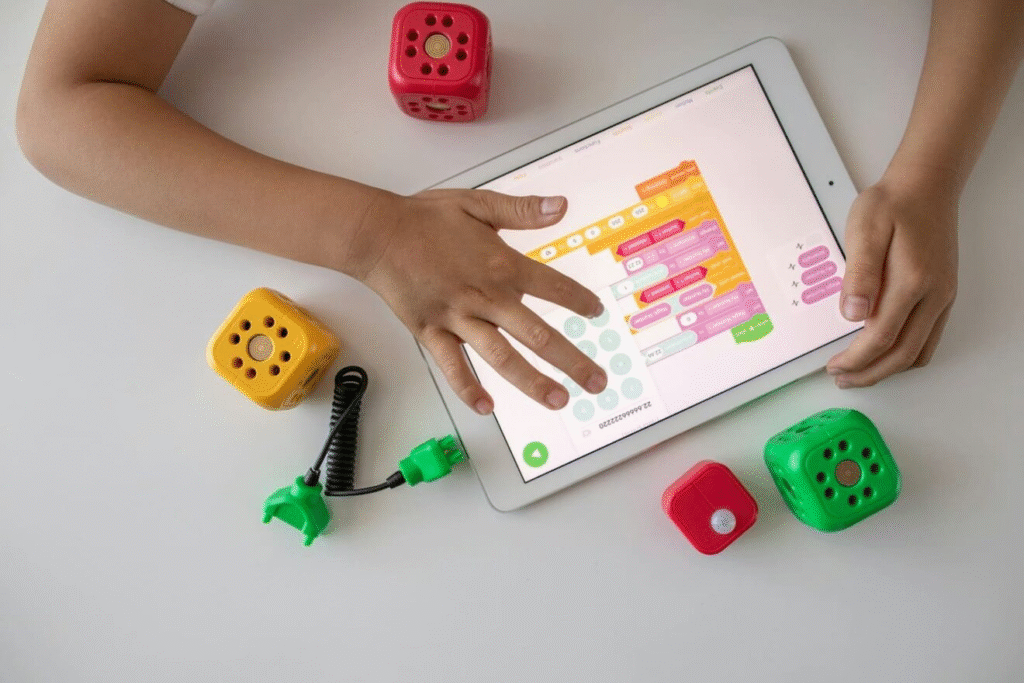
Technology is transforming how we live, work, and even learn — and Montessori education is not immune to this shift. At first glance, the Montessori method might seem incompatible with screens, smart tools, or artificial intelligence. After all, Dr. Maria Montessori championed hands-on, sensory-based learning long before touchscreens entered our lives. But as our world becomes more digital, a question arises: how can we embrace innovation without compromising Montessori’s core values?
The step-by-step Montessori approach to technology doesn’t reject it outright. Instead, it encourages thoughtful integration — using tech to support creativity, independence, and exploration, not distract from them. The following articles will help you reflect critically on the evolving intersection of Montessori and modern tools.
The evolution of Montessori education: From sandpaper letters to smart classrooms and AI
Montessori materials are often associated with wooden trays, metal insets, and golden beads. Montessori’s core philosophy, however, isn’t stuck in time. In this article on the evolution of Montessori education, we trace the journey from traditional materials to emerging innovations.
Rather than discarding technology, this article presents a vision that stays true to the child while embracing helpful tools. It’s an inspiring read for anyone interested in blending timeless wisdom with forward-looking innovation.
Integrating AI into Montessori education: A path to enhanced learning or a hidden trap?
As AI rapidly enters homes and schools, many wonder how it aligns with Montessori principles. In this in-depth article on AI and Montessori, we explore both the promise and potential pitfalls of using AI.
The piece discusses how adaptive AI tools can support differentiated learning and scaffold children’s exploration. It also cautions against over-reliance and passive consumption. If you’re navigating the use of digital assistants and screen-based tools, this resource offers a Montessori-aligned perspective.
Coding for children the Montessori way: Benefits, downsides, and screen-free methods
Although coding might seem far from the roots of Montessori, it aligns beautifully with the method. Montessori coding doesn’t require screens. Children can build foundational skills through pattern games, algorithmic thinking, and hands-on tools like coding toys.
The Montessori coding article dives into how digital literacy can begin in early childhood. You will discover the pros and cons of early tech exposure and how to teach coding in a Montessori way. It’s a forward-thinking addition to the modern Montessori curriculum.
Montessori and early childhood development: Building strong foundations from birth

In the step-by-step Montessori approach, early childhood is not just a phase — it’s the cornerstone of human development. During the first six years of life, children experience rapid growth across physical, cognitive, emotional, and social domains. Montessori education recognizes this sensitive period as an extraordinary opportunity. A period to nurture the whole child through hands-on exploration, rich language environments, and activities that promote independence.
Rather than accelerating academics, Montessori prioritizes natural development, offering meaningful materials and routines that match a child’s stage of growth. Whether you’re guiding a baby through their first crawl or introducing your toddler to fine motor tasks, each moment holds potential. The following resources explore how Montessori practices support key milestones in fine motor skills, sensory play, crawling, and early literacy.
Unlocking potential: Developing fine motor skills in children aged 0–3 years
Fine motor development is foundational to everything from grasping a spoon to holding a pencil. In this article on fine motor skills for children aged 0–3, you’ll find Montessori-inspired strategies. It teaches how to support muscle control, hand-eye coordination, and independence at an early age.
The article covers how to set up activities that match a child’s current abilities. It also explains how movement and repetition fuel neurological growth, reinforcing Montessori’s belief in active, purposeful engagement. A must-read for parents of infants and toddlers.
The essential role of sensory play in early childhood development and Montessori education
In Montessori, sensory experiences are more than just fun — they are essential. This article on sensory play dives into how hands-on, multi-sensory activities stimulate brain development and support self-regulation.
From pouring grains to working with sound cylinders, sensory materials in Montessori environments offer children a path to understanding the world. The piece also covers the benefits of texture, temperature, sound, and movement in helping children build focus and awareness. If you’re curious about how to integrate step-by-step Montessori sensory learning into your routine, this guide offers clear and research-backed inspiration.
Empowering little explorers: The Montessori approach for the crawling stage
Crawling is often overlooked in favor of walking — but in Montessori, it’s a vital developmental milestone. This article on the Montessori approach for the crawling stage highlights how crawling helps children strengthen muscles, develop spatial awareness, and build confidence.
You will learn about practical suggestions for encouraging mobility, including room setup ideas, obstacle-friendly floor spaces, and the importance of freedom of movement. Whether your child is army-crawling or cruising, the Montessori perspective reminds us that every inch forward is part of a broader developmental journey.
The essential guide to crawling: Why it matters and how to encourage it
To complement the earlier article on crawling, this essential guide to crawling offers a more technical and developmental lens. It outlines the neurological, physical, and psychological reasons why crawling is crucial, not just a stepping stone to walking.
You’ll learn how crawling promotes bilateral coordination, cross-lateral movement, and even future reading skills. The article also gives practical suggestions for encouraging this phase: tummy time tips, play-based motivation, and floor bed environments that encourage self-initiated movement. It’s a perfect resource for anyone practicing step-by-step Montessori development in the early years.
Early literacy for kids: From babble to books
Reading doesn’t begin with the alphabet — it begins with listening, speaking, and bonding. In this article on early literacy, we explain how Montessori supports language development from the earliest days of life.
The guide walks you through practical, age-appropriate literacy strategies: singing, storytelling, naming objects, and eventually introducing phonetic sounds. Montessori materials like sandpaper letters and movable alphabets are introduced later, but the foundation is built through daily, joyful interaction. It’s a gentle and inspiring take on literacy that honors each child’s natural rhythm.
Montessori and other alternative approaches to education

Choosing the right educational approach for your child can feel overwhelming, especially when faced with so many philosophies, national systems, and teaching styles. That’s where a step-by-step Montessori lens can help. Montessori isn’t just a method — it’s a framework that supports deep, meaningful learning based on child development. To make confident choices, parents need to understand how Montessori compares to traditional education, how it aligns with other alternative methods, and how it fits into various national contexts like Germany’s.
This section provides side-by-side insights into major educational systems and philosophies. Whether you’re comparing Montessori with public schooling, exploring the Reggio Emilia approach, or trying to understand how Montessori fits into German daycare and school structures, the following resources offer well-researched, practical guidance. Each one is designed to support your journey through the step-by-step Montessori path — wherever it leads.
Exploring educational systems: Montessori vs. traditional education
Montessori vs. traditional education remains one of the most searched comparisons by curious parents — and for good reason. This article takes a closer look at how the two systems differ in classroom structure, teacher roles, assessment, and student motivation.
You’ll discover why Montessori classrooms are centered around self-directed learning, hands-on materials, and uninterrupted work cycles, while traditional schools often emphasize direct instruction, testing, and uniformity. The piece is especially helpful for parents deciding between a Montessori preschool and a conventional one. It encourages you to reflect on what kind of environment nurtures your child best.
Four non-traditional education alternatives that are not yet well known: Montessori, Goddard, Waldorf, and Reggio Emilia
Curious about other methods besides Montessori? This comparative guide outlines the core beliefs and practices behind the Goddard, Waldorf, and Reggio Emilia approaches.
The article breaks down similarities and contrasts. Whether you’re deciding on a preschool or simply trying to understand the landscape of progressive education, this guide is for you.
Montessori philosophy: Evidence-based insights for modern education
This article on Montessori philosophy brings together historical context and recent evidence to show why Montessori continues to be relevant. You’ll learn about the method’s origin, its guiding principles, and how it aligns with what developmental psychology now confirms. It’s especially valuable for parents and educators looking to make decisions grounded in both tradition and science.
What science says about Montessori education
Scientific validation of the Montessori method is growing, and this article pulls together some of the most important studies. Topics include cognitive development, executive functioning, creativity, and long-term academic success.
If you’re looking to understand why Montessori is not just a trend, this piece offers clear and compelling support. It’s especially useful when discussing educational choices with partners, relatives, or school administrators unfamiliar with the method.
Is Montessori right for my child? A comprehensive guide for parents
Not every child thrives in the same environment. That’s why this guide helps you evaluate your child’s learning style, temperament, and needs in relation to the Montessori method.
It includes questions to ask yourself, signs that your child might benefit from self-paced learning, and practical insights for visiting Montessori schools. Whether you’re just starting out or reconsidering your current school, this step-by-step Montessori decision-making resource is essential.
Education in Germany explained: From daycare to school and beyond with Montessori integration
This guide to education in Germany demystifies the entire process — from Kita (daycare) to Grundschule (elementary school) and Gymnasium (secondary school).
The article also explores how Montessori schools fit within the system. It’s a practical and informative roadmap for expat families or German parents seeking alternatives within the national framework.
Childcare in Germany: What parents need to know
Choosing childcare is one of the first major decisions parents make, and this article on childcare in Germany helps you do it with confidence. It covers state-supported options, parental rights, application timelines, and the differences between conventional and Montessori-oriented centers.
You’ll also find advice on how to navigate the waiting list system and what to expect in terms of routines and parent involvement. This guide complements the broader educational overviews and supports families taking their first step into the world of structured learning.
Step-by-step guide to Montessori family activities and events: Crafting joyful memories through play, nature, and celebration

In the Montessori journey, learning doesn’t end when school hours are over. Family life offers rich opportunities for your child to explore, connect, and grow. Montessori-aligned family activities emphasize presence over perfection. They encourage adults to follow the child’s lead and create space for meaningful, hands-on experiences.
This section offers thoughtfully curated resources to help you bring Montessori principles into everyday life. Whether you’re planning a nature-based outing, crafting session, or birthday celebration, these guides support intentional parenting and shared discovery.
Montessori child-led walk: How to let your child lead the exploration
A walk becomes so much more than a stroll when you allow your child to take the lead. This article explores the concept of child-led walks from a Montessori perspective.
Letting your little one choose the pace and path fosters independence, decision-making, and a sense of agency. The Montessori child-led walk article offers practical suggestions on how to prepare, what to bring, and how to gently support your child.
Montessori outdoor play: The best activities and toys for child development
Fresh air, open space, and nature’s wonders make the perfect classroom for young minds. This guide explains how to apply Montessori outdoor play principles to everyday adventures, from backyard games to nature hikes.
The article introduces a selection of developmentally appropriate outdoor toys and activities that promote coordination, balance, and sensory integration. With a focus on independence and real-world learning, Montessori outdoor play becomes a natural extension of the indoor prepared environment.
And don’t miss our guide about why nature is considered a teacher in Montessori and why it is one of the best teachers ever: Nature as a teacher.
Gymnastics for kids: The best way to stay healthy and active
Physical development is a cornerstone of Montessori education. And gymnastics offers a structured yet playful way for children to refine their gross motor skills, build strength, and grow in confidence.
The Gymnastics for kids article explores how physical activities align with Montessori values. It provides guidance for choosing age-appropriate classes and supportive environments that prioritize effort over competition. It’s a practical resource for parents who want their child’s physical activity to also nurture independence and body awareness.
The ultimate guide to crafting with young kids: Ideas, materials, and steps
Montessori crafting is about process over product, giving children the tools and space to express themselves creatively. This in-depth guide offers ideas for simple, age-appropriate projects using natural and accessible materials.
Crafting with young kids becomes an invitation to explore texture, color, and self-expression. The article highlights the importance of setting up a “yes” space that encourages independent making without fear of mess or mistakes.
How to plan a kids’ birthday party: Activities, food, and decorations
A child’s birthday is an opportunity to celebrate their growth and individuality — and to make them feel seen and valued. This guide walks parents through Montessori-inspired birthday party planning with tips on activities, food ideas, and decorations.
This step-by-step guide to kids’ birthday parties encourages a celebration that honors the child’s interests and personality.
Discover the magic of Meri Meri: Bringing creativity and joy to every celebration
While Montessori avoids overstimulation, that doesn’t mean birthdays or holidays can’t feel magical. This article introduces Meri Meri. It is a brand known for beautifully crafted decorations, party supplies, and imaginative accessories. All of them align with a Montessori approach to celebration.
Discover the magic of Meri Meri and get suggestions for creating elegant, child-centered party experiences. Perfect for parents seeking a balance between fun and mindfulness.
Montessori and local community: Family life, activities, and education in Düsseldorf and beyond

The Montessori approach doesn’t stop at the classroom door. In fact, Montessori living means embedding Montessori values into everyday life. A supportive local community is essential to nurturing independence, curiosity, and joy in learning in Düsseldorf with kids.
This section gathers practical resources designed to help families connect with their surroundings while staying rooted in Montessori values.
- Discovering excellence: The International School of Düsseldorf. Explore how this international school cultivates a culture of community, inquiry, and creativity — all aligned with values that resonate with Montessori families.
- The best kids’ shops in Düsseldorf. Find out where to shop for high-quality, Montessori-aligned toys, books, and supplies in Düsseldorf — curated for conscious parents.
- Martial arts for kids in Düsseldorf. This guide highlights martial arts programs in Düsseldorf that promote focus, self-discipline, and respect — values that beautifully complement a Montessori upbringing.
- Gymnastics for kids in Düsseldorf. Discover the physical and cognitive benefits of gymnastics and how to choose the right program for your child in the Düsseldorf area.
- Theater for kids in Düsseldorf. An overview of children’s theater in Düsseldorf, with insights into how performing arts can nurture empathy, self-expression, and collaboration.
- Swimming lessons for kids in Düsseldorf. Explore child-friendly swimming classes that help children build confidence and water safety skills — essential to a well-rounded education.
- Dance lessons for kids in Düsseldorf. Introduce your child to local dance classes that foster movement, rhythm, and creativity while respecting the child’s pace and personality.
- English lessons for kids in Düsseldorf. Whether you’re a local or expat, this guide offers options for nurturing language skills in ways that align with Montessori principles.
- Düsseldorf’s best yoga studios for parents and children. Explore yoga spaces that support mindfulness and bonding between parent and child — a natural extension of the Montessori lifestyle.
- What to do if you don’t get a spot in Kindergarten in Düsseldorf. Alternative ideas for families waiting for a Kindergarten spot — including play-based activities, social groups, and home-based learning options.
- The most family and kid-friendly neighborhoods in Düsseldorf. An in-depth look at which neighborhoods offer the best combination of green space, schools, and community spirit.
- Rainy day activities for kids in Düsseldorf. Keep your child engaged and curious even on grey days — from museums to cozy cafés with play corners.
- Montessori schools in Düsseldorf. A helpful directory and overview of Montessori school options for various age groups within Düsseldorf.
- Best outdoor playgrounds in Düsseldorf. Explore Düsseldorf’s top playgrounds for nature-based, self-directed play — perfectly in line with Montessori principles.
- Best indoor playgrounds and Kindercafés in Düsseldorf. A guide to the best indoor play spaces that allow freedom of movement and social exploration during colder months.
- Outstanding education is what they stand for: Katholischer Montessori Kinderhaus St. Lambertus Kalkum – Düsseldorf. A spotlight on a standout Montessori institution in Kalkum, emphasizing personalized learning and a strong school-family partnership.
- Indoor fun in NRW: Top spots for kids and families. Beyond Düsseldorf, discover indoor playgrounds across North Rhine-Westphalia that support free movement, socialization, and discovery.
- Best German cities for families with kids. Planning a move? This article explores cities across Germany that offer supportive environments for Montessori-style parenting and education.
Final words: Embracing the step-by-step Montessori path from school to home and beyond
The step-by-step Montessori approach is more than a teaching method — it’s a way of life that honors the natural rhythm, curiosity, and individuality of each child. Through carefully prepared environments, developmentally appropriate activities, and respectful adult-child interactions, Montessori education empowers children to become confident, independent learners. This post was designed to serve as a complete navigation guide through the most essential themes of Montessori parenting, education, and family life.
Wherever you are on your Montessori journey — researching, starting, or deepening your practice — we are here to support you with clarity, warmth, and actionable insights. Montessori is not just a method; it’s a mindset. And the best way to live it is one mindful, step-by-step moment at a time.
Looking to apply what you’ve learned in a real-world setting? Visit the Montessori Family Center in Düsseldorf — a nurturing community where your child’s learning journey truly begins. From baby classes to parent workshops and preschool preparation, we’re here to walk the Montessori path with you.