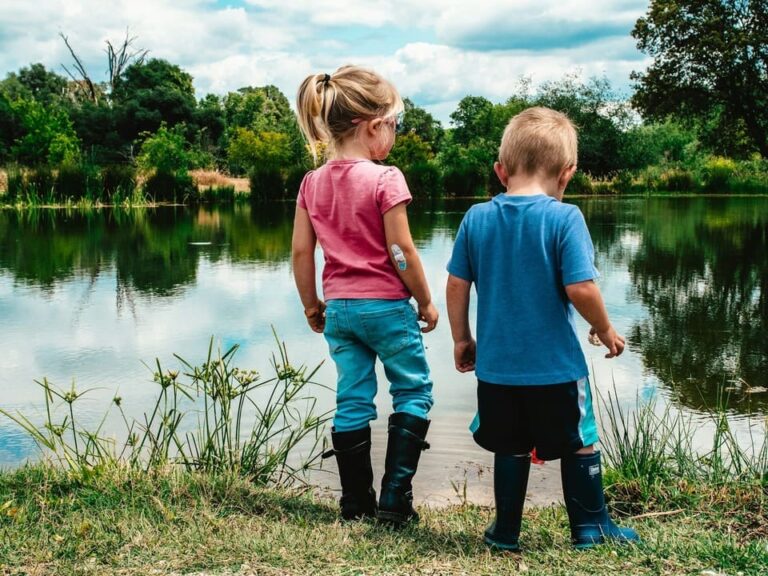
Have you ever watched a child completely captivated by nature — chasing butterflies, stacking stones, or following the gentle movements of a snail? Montessori outdoor play embraces this natural curiosity, offering a hands-on, child-led approach to learning that nurtures independence, creativity, and cognitive development.
Unlike structured indoor activities or passive screen time, outdoor Montessori play is rooted in movement, discovery, and sensory engagement. It’s not just about playing outside — it’s about experiencing the world through touch, sound, smell, and endless opportunities for real-world learning.
From strengthening motor skills and problem-solving abilities to fostering confidence and emotional well-being, outdoor play provides countless benefits that no app or toy by itself can replicate. But how can you bring Montessori outdoor play into your child’s daily routine? What activities, materials, and toys best support open-ended exploration?
Let’s dive into the importance of nature-based learning, the best Montessori-inspired outdoor activities, and how to create an environment that encourages hands-on discovery and growth.
Why outdoor play is essential in Montessori learning
Unlike traditional education, where children spend most of their time indoors, Montessori learning encourages freedom of movement, hands-on discovery, and deep engagement with the world. And what better place to nurture these principles than in nature itself?
Nature as the perfect learning environment
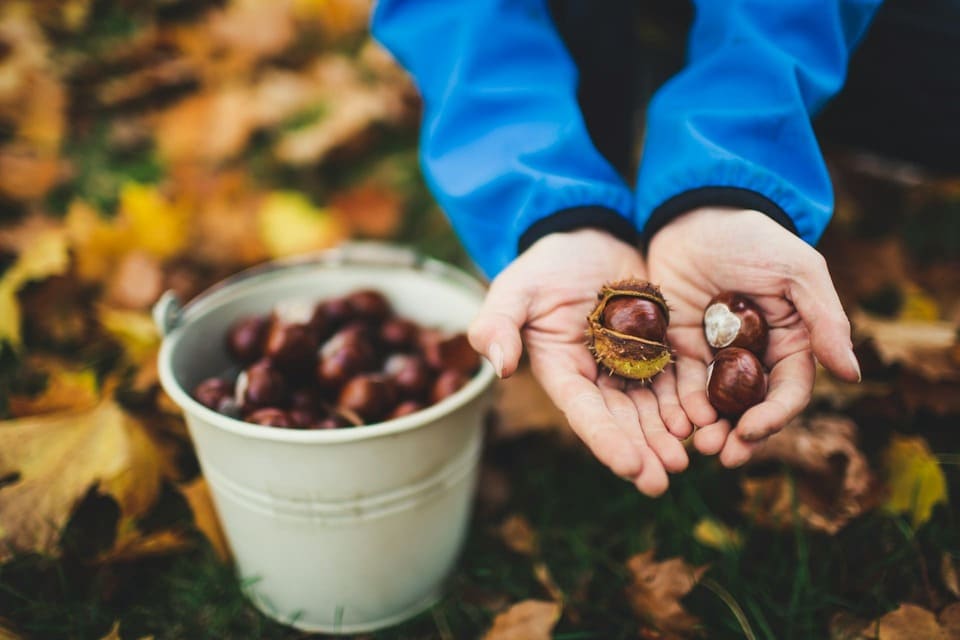
Think about it — where else can a child experience math, science, language, and life skills all at once, without even realizing it? A simple walk in the park becomes a lesson in observation. Climbing a tree builds strength and problem-solving skills. Collecting leaves introduces categorization and patterns.
Nature stimulates curiosity, invites exploration, and fosters independence — all essential elements of Montessori education. Indoors, learning can feel structured and guided; outdoors, it becomes organic, spontaneous, and deeply engaging.
Freedom, movement, and confidence
A child sitting at a desk can absorb knowledge, but a child balancing on a fallen log feels knowledge. Outdoor play offers opportunities for real-world problem-solving, decision-making, and risk assessment — skills that can’t be taught through textbooks alone.
What happens when they encounter a puddle in their path? Do they jump over it, walk around it, or test its depth? Every decision builds confidence and independence. Montessori outdoor play isn’t just about physical activity — it’s about learning through doing, moving, and experiencing.
A sensory-rich experience like no other
Children learn best when all their senses are engaged. Indoors, sensory experiences are limited — smooth desks, artificial lighting, controlled temperatures, etc. But step outside, and the world comes alive!
☀️ The warmth of the sun on their skin.
🍂 The crunch of leaves beneath their feet.
🌱 The scent of fresh grass after the rain.
These aren’t just pleasant experiences; they’re vital for cognitive development, emotional regulation, and sensory integration. No app or digital game can replicate the richness of the real world.
The key to a lifelong love for learning
Montessori education is about fostering a child’s natural love for learning, and outdoor play strengthens that connection. When learning feels like an adventure, children don’t just memorize facts — they develop an insatiable curiosity, a desire to explore, and an understanding of the world that goes far beyond the classroom.
So, why is Montessori outdoor play so essential? Because it’s learning the way nature intended — through movement, exploration, and discovery. Want to see just how powerful outdoor play can be? Let’s dive into the incredible benefits it brings!
The benefits of Montessori outdoor play
Montessori outdoor play is far more than just time outside. It’s a powerful tool that shapes a child’s physical, cognitive, emotional, and social growth in ways that no indoor activity can fully replicate. Let’s dive deeper into the benefits associated with Montessori outdoor activities!
Physical development: Strength, coordination, and motor skills
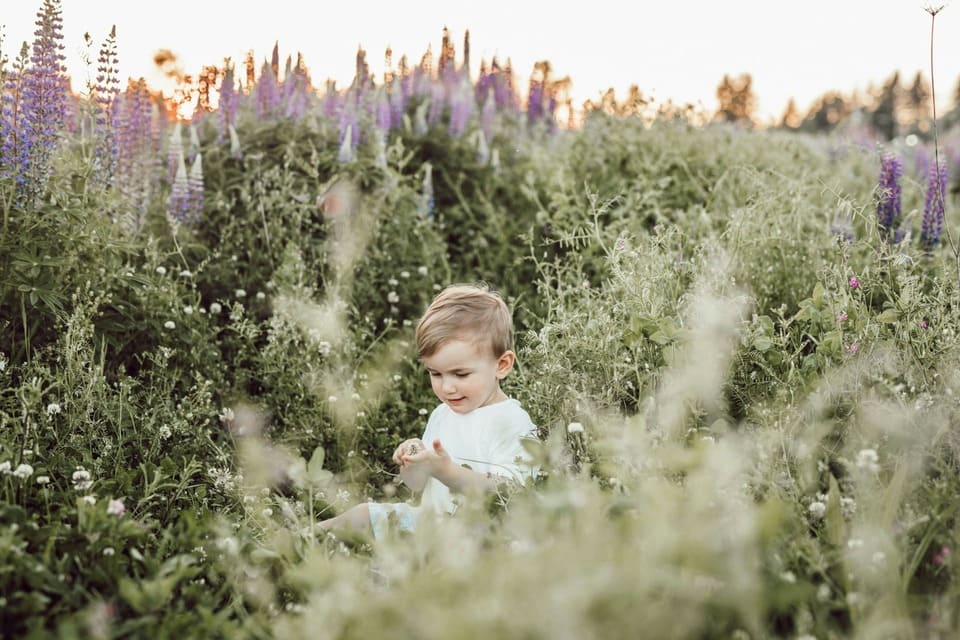
Children are naturally active — they are meant to run, jump, climb, and explore. When given the freedom to move in a natural outdoor setting, they instinctively develop:
💪 Strength and coordination – Running on uneven terrain, balancing on rocks, or climbing a low-hanging branch strengthens muscles and improves overall coordination.
🚴 Fine and gross motor skills – Activities like digging in the dirt, picking up small stones, or threading leaves onto a stick refine fine motor skills, while jumping, swinging, and crawling boost gross motor development.
🧘 Better posture and body awareness – Unlike structured indoor environments, outdoor play encourages children to move in diverse and dynamic ways, improving their agility, posture, and spatial awareness.
When children play outdoors, they aren’t just burning off energy — they’re building strong, resilient bodies that are ready for the world.
Cognitive development: Problem-solving, curiosity, and critical thinking
Ever watched a child figure out how to cross a stream using stepping stones? Or build a tower out of sticks? These moments of spontaneous problem-solving are some of the best learning experiences a child can have.
🌿 Nature fuels curiosity – Outdoor environments constantly change — new bugs appear, flowers bloom, and the wind shifts direction. These small observations ignite curiosity and encourage children to ask, “Why?” “How?” “What happens if…?”
🧠 Hands-on learning builds critical thinking – In a world of open-ended challenges — how to climb over a log, how to catch a rolling ball, how to build a shelter — children develop essential reasoning and decision-making skills that they carry into all aspects of life.
🔬 Science, math, and creativity in action – Montessori outdoor play naturally introduces children to concepts like cause and effect, weight, balance, and patterns. Stacking stones, pouring water, and counting leaves — these are real-world STEM lessons happening in real time.
Emotional growth: Resilience, confidence, and independence
What happens when a child falls while running and gets back up? Or tries to climb a tree and succeeds after multiple attempts? These moments build resilience — the ability to overcome challenges and keep going.
🌱 Building confidence through risk-taking – Outdoor play allows children to take small, calculated risks — jumping from a low height, climbing, running fast — helping them trust their abilities and develop self-assurance.
😌 Reducing stress and anxiety – Studies show that nature has a calming effect on children, reducing stress and increasing focus. Outdoor play provides an emotional reset, balancing the nervous system and fostering a sense of peace and well-being.
🚀 Fostering independence – Without constant adult guidance, children learn to solve problems on their own, make decisions, and trust their instincts. Whether choosing which path to explore or how to build a fort, these decisions nurture self-reliance and autonomy.
Social development: Collaboration, communication, and empathy
Have you ever seen children work together to build a sandcastle or create an obstacle course? Outdoor play naturally encourages teamwork, patience, and cooperation.
🤝 Learning to work together – When playing outdoors, children negotiate roles, share resources, and problem-solve as a team — whether they’re building, racing, or pretending to be explorers.
🗣 Developing communication skills – Outdoor environments require children to express their thoughts clearly, explain their ideas, and listen to others. These experiences enhance verbal and non-verbal communication skills.
❤️ Growing empathy through nature – Taking care of plants, observing animals, and interacting with nature teaches children respect for the environment and compassion for all living things — key aspects of the Montessori philosophy.
When children play outside, they aren’t just moving their bodies — they are expanding their minds, strengthening their emotions, and forming lifelong social skills. But are there any requirements for a Montessori outdoor environment? Let’s find out.
To learn more about the scientific evidence, follow this link: Nature as a teacher: The Montessori perspective.
Creating a Montessori outdoor environment: A space for exploration and growth
Imagine a place where your child can dig, climb, observe, and create — a space that encourages independence, curiosity, and hands-on learning. That’s exactly what a Montessori outdoor environment is all about! But how do you set up an outdoor space that aligns with Montessori principles? The good news is — it’s easier than you think!

- Designate areas for different activities. Just like an indoor Montessori classroom, an outdoor space should have clear, purposeful areas. Think about:
🏡 Practical life zone – A small garden for watering plants, a sandbox for scooping and pouring, or a clothesline for hanging wet clothes.
🌿 Nature exploration zone – A bug observation area, a rock collection, or a simple space for watching birds.
🎨 Creative zone – Chalk, nature-based crafts, or a mud kitchen for endless imaginative play.
🏃 Gross motor zone – Logs for balancing, tree stumps for jumping, or a rope swing to develop coordination. - Use natural materials. Montessori environments prioritize simplicity and natural materials. Skip the flashy plastic toys — opt for wood, metal, stone, and fabric instead. A simple wooden balance beam, a basket of pinecones, or a digging patch will invite more meaningful play than a pile of synthetic toys.
- Encourage open-ended play. What happens when you give a child a pile of sticks and some stones? They create their own adventure! Open-ended materials — like logs, water, sand, and leaves — allow children to build, experiment, and problem-solve in their own way. The fewer preset rules, the more creativity flows!
- Keep it accessible and child-led. A true Montessori outdoor environment allows children to choose their activities independently. Arrange baskets of tools at their height, provide a low garden bed they can reach, and keep outdoor materials within easy access. Let them decide — Will they dig? Observe? Climb? Collect?
- Make time for daily outdoor exploration. The best Montessori outdoor play happens every day, no matter the weather! A little rain? Grab a raincoat. Chilly outside? Layer up. Nature is constantly changing, and experiencing these shifts helps children build resilience, adaptability, and a deep connection to the world.
Creating a Montessori outdoor environment doesn’t require a massive backyard or expensive equipment — just thoughtful design, natural materials, and the freedom to explore. But how can you encourage more outdoor play in your child’s life? Let’s explore the best Montessori outdoor activities and toys next!
Montessori outdoor activities: Best ideas for different ages
From sensory play to practical life skills, outdoor learning is filled with possibilities! Here are some of the best Montessori-inspired outdoor activities, grouped by developmental benefits:
Sensory play – engaging the senses through nature
- Water pouring and transferring. Provide a small watering can or pitcher and let children pour water between containers, water plants, or create small streams. This strengthens hand-eye coordination and patience.
- Mud kitchen. Set up an area where kids can mix mud, leaves, and water to create their own imaginative dishes. This activity enhances creativity and fine motor skills while fostering a connection to natural materials.
- Sand exploration. Fill a small sandbox or garden bed with sand and let children dig, scoop, and mold using simple tools like cups and spoons. This develops problem-solving skills and encourages open-ended play.
- Herbal sensory garden. Plant herbs like lavender, rosemary, and mint, and encourage children to touch and smell them. Ask, “What does this smell like? How does it feel?” This strengthens sensory perception and plant recognition.
- Nature texture hunt. Challenge kids to find different textures outdoors — soft moss, rough bark, smooth pebbles, crisp leaves — and discuss how each one feels.
Practical life skills – teaching responsibility through nature
- Sweeping leaves. Provide a child-sized broom and let them clear pathways, strengthening gross motor skills and responsibility.
- Watering plants. Give them a small watering can and show them how to care for living things, teaching patience and respect for nature.
- Feeding birds. Set up a bird feeder and observe different birds coming to eat. Discuss their colors, sounds, and movements to build awareness of wildlife.
- Picking fruits and vegetables. If you have a garden, let kids harvest their own produce, learning about where food comes from and how plants grow.
- Washing outdoor toys and tools. Give them a small sponge and a bucket of water to clean garden tools, outdoor toys, or even rocks. This teaches responsibility and strengthens fine motor skills.
Gross motor development – strength, coordination, and balance
- Balancing on logs or stepping stones. Set up a natural balance course using fallen logs or flat stones. This improves core strength, coordination, and confidence.
- Climbing trees (with supervision). Let kids test their limits by climbing low branches, developing risk assessment, resilience, and body awareness.
- Jumping over puddles and obstacles. Encourage children to leap over puddles, sticks, or small mounds, improving leg strength and balance.
- Rolling down hills. A fun, classic activity that helps children engage their vestibular system and develop spatial awareness.
- Chasing bubbles. Blow bubbles and let kids run, jump, and pop them. This activity enhances coordination, agility, and reflexes.
Exploration and nature learning – encouraging curiosity and discovery
- Leaf and flower collecting. Provide a basket and encourage children to gather leaves, flowers, and seeds. Later, they can use them for nature crafts or classification games.
- Bug observation. Hand them a magnifying glass and let them explore insects up close. Ask, “What do you see? How does it move?” This encourages scientific thinking and patience.
- Rock sorting by size, shape, or color. Collect stones and let children organize them into categories, strengthening early math and classification skills.
- Cloudwatching and storytelling. Lie on the grass and observe the clouds. Encourage your child to describe what they see — “A dragon? A castle?” This fosters creativity and mindfulness.
- Nature sound walk. Walk in nature and listen carefully to the sounds around you — birds chirping, wind rustling leaves, water flowing. Ask your child, “What do you hear?” This improves listening skills and awareness.
Creativity and open-ended play – fostering imagination outdoors
- Building with natural materials. Collect sticks, stones, leaves, and clay and challenge children to build a small shelter, bridge, or tower.
- Painting with nature. Use leaves, flowers, and mud to paint on rocks or paper, discovering how nature can be a creative tool.
- Making nature bracelets. Wrap a piece of tape (sticky side out) around your child’s wrist and let them attach small flowers, leaves, and petals to create a nature-inspired bracelet.
- Outdoor storytelling circle. Sit in a circle outside and take turns making up parts of a story inspired by the environment around you.
Outdoor science and experiments – learning through hands-on exploration
- Melting ice experiment. Freeze flowers, leaves, or small toys in ice cubes and let children experiment with ways to melt them — warm water, sunlight, rubbing between hands — learning about states of matter.
- Shadow tracing. In the morning, have your child trace their shadow on the pavement with chalk. Return in the afternoon to see how it has changed — a fun way to introduce the concept of the Earth’s rotation.
- Rainwater collection. Set up a small container and measure how much rainwater collects over time. Discuss how rain helps plants grow and nourishes the earth.
Mindfulness and connection to nature
- Barefoot walking. Let children feel different textures under their feet — grass, soil, sand, pebbles — and describe the sensations.
- Sunrise or sunset watching. Observe the colors of the sky and discuss how the sun moves throughout the day.
- Planting tree or flower. Teach children about growth cycles, responsibility, and patience by planting something they can care for over time.
With just a little planning, you can create endless opportunities for discovery, movement, and creativity outdoors. Whether it’s gardening, climbing, or simply watching the clouds, these activities help children connect with nature while building essential life skills. To take Montessori outdoor play to the next level, the right toys and materials can inspire even deeper exploration, creativity, and hands-on learning.
The best Montessori outdoor toys for all kinds of play
Outdoor play is already a magical learning experience, but the right Montessori-aligned toys can make it even more engaging! The best Montessori outdoor toys are simple, made from natural materials, and encourage open-ended exploration. No flashing lights, no preset rules — just pure creativity, movement, and hands-on discovery.

Natural materials – encouraging sensory exploration and movement
- Wooden balance board. A simple wooden balance board can be used for balancing, rocking, jumping, or even as a bridge for small toy animals! It strengthens core muscles, coordination, and imaginative play.
- Mud kitchen. Let your child mix mud, water, and leaves to create their own nature-inspired recipes. This fosters sensory play, creativity, and practical life skills.
- Tree stumps or stepping stones. Arrange natural logs or stepping stones in a line and watch your child practice balancing, hopping, and jumping — a fun way to improve gross motor skills!
- Wooden playhouse or fort. A simple outdoor fort or wooden playhouse creates endless opportunities for role-playing, problem-solving, and independent play.
Open-ended play – toys that spark creativity and problem-solving
- Climbing structures. Whether it’s a wooden climbing frame, a rope ladder, or a low tree, climbing develops confidence, body awareness, and problem-solving skills.
- Sand pit with natural tools. A sand pit filled with buckets, scoops, and wooden molds offers endless possibilities for digging, building, and experimenting.
- Tree swing. A simple rope swing or tire swing provides an exciting way to develop coordination, balance, and a sense of movement.
- Loose parts play. Provide sticks, pinecones, shells, rocks, and leaves in a basket and let children create, sort, stack, and build — a great way to encourage problem-solving and fine motor skills.
Practical life toys – tools that encourage independence
- Child-sized gardening tools. A real, child-sized rake, trowel, or watering can lets children help in the garden, teaching responsibility and patience.
- Water play station. A small tub or outdoor sink lets kids pour, transfer, and explore water movement, developing fine motor skills and concentration.
- Outdoor workbench with real tools. Provide a sturdy wooden workbench with safe child-sized hammers, screwdrivers, and sandpaper for practical life skill-building.
- Washing station. Set up a basin of water, a sponge, and some outdoor toys to encourage kids to clean their playthings, strengthening coordination and independence.
Exploration and nature learning – observing the world up close
- Magnifying glass & bug viewer. Help children observe insects, leaves, and tiny details in nature up close, fostering scientific curiosity.
- Wooden birdhouse & binoculars. Encourage children to watch and identify birds in their backyard, building an appreciation for wildlife and patience.
- Nature collection basket. A simple basket allows children to gather leaves, rocks, feathers, and pinecones, encouraging sorting, categorization, and sensory exploration.
- DIY weather station. Give children a thermometer, rain gauge, and wind spinner so they can observe and record weather changes, introducing early science concepts.
With just a few well-chosen Montessori outdoor toys, children can enjoy endless hours of movement, creativity, and discovery. The best part? Nature itself is the greatest toy of all!
Which of these toys will you introduce to your child’s outdoor play space?
Conclusion: Bringing Montessori outdoor play into your child’s daily routine
In a world where screens are everywhere, giving your child the freedom to explore nature is one of the best gifts you can offer. Montessori outdoor play isn’t just about fun — it’s about movement, discovery, and real-world learning that no app or video can replace.
But why is outdoor play so much more powerful than screen time? Let’s take a closer look.
- Sensory stimulation: Engaging the whole body. Have you ever noticed how children touch, smell, and listen when they play outside? The feel of rough tree bark, the scent of fresh-cut grass, and the sound of birds singing — outdoor play engages all the senses. Screens, on the other hand, provide only visual and auditory stimulation, limiting a child’s natural ability to process the world around them.
- Physical activity: Moving vs. sitting. Outdoor play encourages running, climbing, balancing, and jumping, helping children develop strong muscles, coordination, and endurance. Screens, however, often lead to sedentary habits, increasing the risk of obesity, poor posture, and lack of energy.
- Attention span and cognitive growth. Ever watched a child build a rock tower, track an insect, or balance on a log? These experiences train focus, patience, and problem-solving skills. In contrast, fast-paced digital content shortens attention spans, making it harder for kids to stay engaged in real-world learning.
- Emotional well-being: Calm vs. overstimulation. Nature has a soothing, grounding effect. It lowers stress, fosters emotional resilience, and encourages mindfulness. Screens often lead to overstimulation, frustration, and difficulty self-regulating emotions.
You don’t need to make drastic changes overnight. Start by adding short, meaningful moments of outdoor play to your child’s daily routine. A walk in the park, gardening together, or simply watching the clouds — small habits lead to big benefits! So, what adventure will your child explore today?
Want to learn how to balance toys and technology, encourage outdoor play, and bring Montessori principles into your child’s daily life? Visit the Montessori Family Center, where we’ll guide you through this exciting journey with care and expertise!
FAQ: Montessori outdoor play – everything you need to know
1. What is Montessori outdoor play?
Montessori outdoor play is a child-led, nature-based learning experience that encourages independence, exploration, and hands-on discovery. Unlike structured playground activities or screen-based learning, it allows children to interact freely with their environment, developing cognitive, motor, and social skills through natural play.
2. Why is outdoor play important in Montessori education?
Outdoor play is an essential part of Montessori learning because it provides sensory-rich experiences, freedom of movement, and real-world problem-solving opportunities. It encourages children to explore, develop resilience, and build confidence while engaging in unstructured, open-ended play.
3. How does Montessori outdoor play benefit child development?
Montessori outdoor play supports holistic child development by:
Improving gross and fine motor skills through climbing, balancing, and hands-on activities.
Enhancing problem-solving and critical thinking with open-ended exploration.
Strengthening emotional well-being by reducing stress and encouraging independence.
Fostering social skills through collaborative, imaginative play.
4. How can I create a Montessori outdoor environment at home?
You don’t need a big backyard to create a Montessori-inspired outdoor space. Focus on:
Practical life areas: A small garden, a water station, or a simple sandbox.
Sensory-rich elements: Natural materials like wood, sand, and water.
Open-ended play zones: Loose parts like sticks, stones, and pinecones for creative exploration.
Independent access: Low baskets for collecting nature items and child-sized tools for gardening.
5. What are the best Montessori outdoor activities for different ages?
Some great Montessori outdoor activities include:
Toddlers: Water pouring, sand play, leaf collecting.
Preschoolers: Gardening, balancing on logs, bug observation.
Older children: Climbing, bird watching, nature journaling.
6. What are the best Montessori outdoor toys?
The best Montessori outdoor toys are made from natural materials and encourage open-ended play. Some great options include:
Wooden balance boards for movement and coordination.
Mud kitchens for sensory and imaginative play.
Tree swings and rope ladders for gross motor development.
Magnifying glasses and bug viewers for nature exploration.
7. How does Montessori outdoor play compare to screen time?
Unlike screen time, which provides limited sensory engagement and passive learning, Montessori outdoor play encourages active exploration. It enhances physical strength, creativity, and problem-solving skills while reducing stress and overstimulation. Nature-based learning supports long attention spans, while screens often contribute to shorter focus and restlessness.
8. Can Montessori outdoor play help with emotional regulation?
Yes! Studies show that nature has a calming effect on children, helping to reduce stress, anxiety, and overstimulation. Outdoor play fosters patience, confidence, and resilience by allowing children to take risks, face challenges, and learn through experience.
9. What are some easy ways to incorporate Montessori outdoor play into daily life?
Start the day with a short outdoor walk or nature observation.
Encourage free play in the backyard, park, or garden.
Set up a simple outdoor station with water, sand, or natural materials.
Limit screen time and replace it with hands-on outdoor activities.
10. Where can I learn more about Montessori outdoor learning?
For more tips on Montessori-inspired outdoor play, balancing screen time, and creating a nature-based learning environment, visit our Montessori Family Center for expert guidance!
References and further reading
Explore these valuable resources for more insights into the benefits and impact of Montessori outdoor play on child development, learning, and well-being:
Montessori outdoor learning and philosophy
- The Connection Between Outdoor Activities and Montessori – Maria Montessori School
An insightful article exploring how outdoor activities align with Montessori principles, fostering independence, curiosity, and holistic learning. - Montessori Outdoor Learning Spaces – Topponcino Company
This guide provides practical tips for setting up Montessori-aligned outdoor spaces that encourage open-ended play and hands-on exploration.
Research on outdoor play and child development
- Teaching Outdoor Adventure Activities in Preschools: A Review of Creativity and Learning Development – ResearchGate
A comprehensive review on how outdoor adventure-based learning enhances creativity, cognitive skills, and problem-solving in young children. - The Benefit of Outdoor Activity for Child Development – ResearchGate
This study highlights the physical, emotional, and social benefits of outdoor activities, reinforcing their critical role in early childhood development. - Outdoor Environment and Outdoor Activities in Early Childhood Education – ResearchGate
A research-based exploration of how outdoor environments shape early childhood education by fostering independence, curiosity, and physical development. - Children’s Outdoor Activities and Parenting Style in Children’s Social Skill – ResearchGate
This study examines how outdoor play, combined with different parenting styles, influences children’s social development and interaction skills. - The Impact of Using Activities Based on the Montessori Approach in Science in the Academic Achievement of Fourth Grade Students – ResearchGate
A fascinating look at how Montessori-based outdoor science activities enhance academic achievement and critical thinking skills.
Practical guides for Montessori outdoor activities
- 20 Montessori Outdoor Activities for Toddlers and Preschoolers – Reach for Montessori
A collection of engaging and developmentally appropriate outdoor activities designed to promote hands-on learning in early childhood. - Unleashing Creativity and Curiosity: 10 Montessori Outdoor Activities for Preschoolers – Montessori Academy
A practical guide offering Montessori-inspired outdoor activities that boost creativity, independence, and cognitive development. - Best Montessori Outdoor Activities – Montessori Theory
A curated list of Montessori outdoor activities that align with the core principles of exploration, self-directed learning, and sensory play. - 10 Tips for Montessori Activities Outdoors and in Nature – Fishtown Montessori
Helpful strategies for incorporating outdoor play into daily routines while following Montessori principles. - Outdoor Activities for One-Year-Olds – The Montessori Twin Mama
A collection of Montessori-friendly outdoor activities specifically designed for toddlers, focusing on sensory play and motor skill development. - Montessori Activities Outdoors – The Montessori Notebook
A valuable resource highlighting simple yet meaningful outdoor activities that encourage curiosity, movement, and hands-on learning. - Our Favorite Nature-Based Spring Activities – Montessori in Real Life
A seasonal approach to Montessori outdoor play, filled with ideas to help children connect with nature year-round. - Montessori Nature Study & Outdoor Activities – Our Montessori Life
A blog dedicated to incorporating nature study, outdoor learning, and Montessori principles into everyday life.
These research-backed insights and practical guides provide valuable knowledge on Montessori outdoor play, its impact on child development, and how to create enriching nature-based learning experiences for children of all ages.