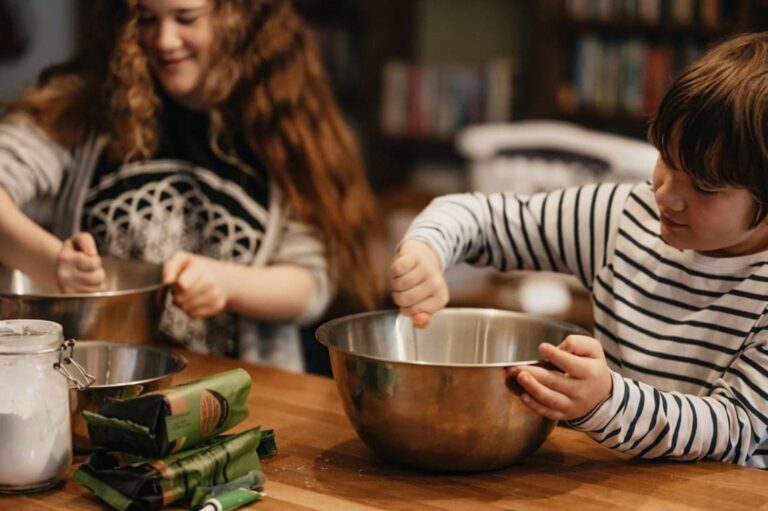
Imagine a kitchen where tiny hands confidently pour, mix, and chop — where a child doesn’t just watch but actively participates in the rhythm of daily life. A Montessori kitchen is more than a place for cooking; it’s a space for growth, independence, and discovery. Here, a spilled cup isn’t a mess — it’s a lesson in control. A sliced banana isn’t just a snack—it’s a moment of pride. Whether through a Montessori play kitchen, where imagination meets imitation, or a functional Montessori kitchen, where real tools shape real skills, children learn not just how to prepare food but how to navigate the world with confidence. The question isn’t whether they can join you in the kitchen — it’s how you can create a space where they thrive. Let’s explore how.
What is a Montessori kitchen?
A Montessori kitchen is more than just a space for preparing food — it’s a place where children build independence, confidence, and practical life skills from an early age. Designed with accessibility in mind, a Montessori kitchen allows children to safely participate in cooking, cleaning, and food preparation, encouraging them to take an active role in their daily routines. But why is this so important?
In traditional homes, kitchens are often designed for adults, making it difficult for children to engage in real-life tasks. Montessori kitchens, however, are adapted to their height and abilities, empowering them to pour their own water, slice soft fruits, or even wash their dishes. Imagine the pride on their face when they make their own snack for the first time!
There are two main approaches to Montessori kitchens: some families opt for Montessori play kitchens, where children can imitate real cooking with pretend tools, while others prefer functional Montessori kitchens, equipped with real working components suited for small hands. Which one is best? We’ll compare them in the next section!
Regardless of which approach you choose, a Montessori-style kitchen fosters:
- Independence – Children learn to take care of themselves and their environment.
- Coordination & Motor Skills – Pouring, cutting, and stirring enhance dexterity.
- Confidence & Responsibility – Completing tasks on their own builds self-esteem.
- Healthy Eating Habits – When kids help prepare food, they’re more likely to enjoy nutritious meals.
Isn’t it amazing how a simple change in kitchen setup can have such a profound impact on your child’s development? Let’s dive deeper into the difference between play and functional Montessori kitchens to help you decide what works best for your little one!
Montessori play kitchen vs. functional kitchen: What’s the difference?
As we’ve mentioned above, you come across two main approaches when setting up a Montessori-style kitchen for your child: a Montessori play kitchen and a functional Montessori kitchen. While both encourage independence and hands-on learning, they serve different purposes. Should you start with a play kitchen, or is it better to jump straight into a real working space? The answer depends on multiple factors.
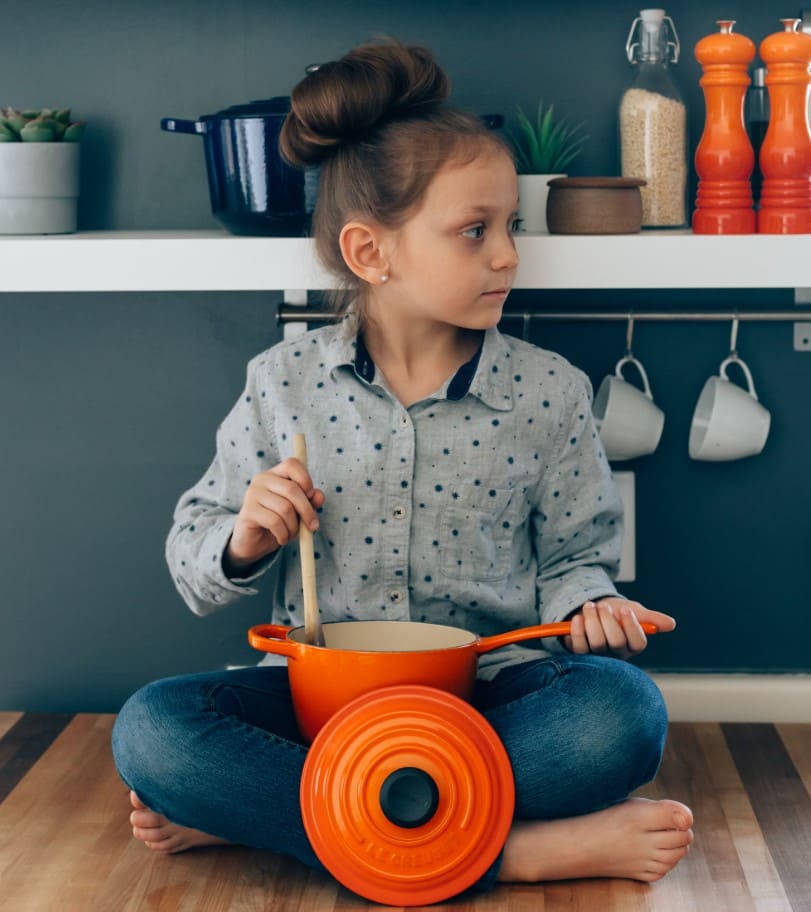
Montessori play kitchen: A first step toward real cooking
A play kitchen is a great introduction for toddlers who aren’t quite ready for real kitchen tools. Unlike traditional plastic toy kitchens, a Montessori-aligned play kitchen:
- Uses natural materials – Wooden kitchens avoid overstimulating colors and artificial textures.
- Encourages realistic role-play – Cooking and cleaning imitate real-world tasks.
- Prepares kids for real independence – Builds interest and confidence before transitioning to a functional kitchen.
Many parents wonder, is a play kitchen Montessori? The answer depends on how it’s used! If the kitchen is treated as a learning space rather than a purely imaginary playset, it aligns with Montessori principles by preparing children for real-world skills.
Functional Montessori kitchen: Real tools for real skills
A functional Montessori kitchen is the next step — giving children access to real water, real tools, and real food in a safe, accessible way. These kitchens are designed with:
- Child-sized working sinks, counters, and shelves
- Real utensils suited for small hands (e.g., child-safe knives, small cutting boards)
- A learning-friendly layout so kids can pour, mix, and prepare food independently
Instead of pretending to cook, children prepare snacks, wash dishes, and help with meal prep.
Montessori Play Kitchen vs. Functional Kitchen: Side-by-Side Comparison
| Feature | Montessori play kitchen | Functional Montessori kitchen |
| Purpose | Encourages role-play to mimic real-life tasks | Allows children to actually participate in cooking and kitchen tasks |
| Materials | Typically made of wood; avoids plastic and bright colors | Uses real working components (child-sized sink, countertop, shelves) |
| Best for ages | 1–3 years old | 2.5+ years old (depending on skills) |
| Encourages | Creativity, imitation, confidence | Practical life skills, real-world independence |
| Parental involvement | Minimal supervision needed | Close supervision required for safety |
| Transition step | Helps prepare children for a real kitchen | Final step in making children active kitchen participants |
| Downside | Doesn’t allow real cooking or food preparation | Requires more setup and safety considerations |
How to transition from a play kitchen to a functional kitchen
Moving from a Montessori play kitchen to a real working kitchen should be gradual and engaging. Here’s how to make the transition smooth:
- 1️⃣ Let your child help with simple food prep – Washing fruits, peeling bananas, or stirring ingredients.
- 2️⃣ Introduce real tools gradually – Start with a child-safe knife or a small mixing bowl.
- 3️⃣ Create a child-friendly workspace – Add a learning tower, a child-height shelf, or a low countertop.
- 4️⃣ Encourage real tasks – Allow your child to pour drinks, butter toast, or scoop yogurt into a bowl.
- 5️⃣ Celebrate progress! – Every small step builds confidence — acknowledge their effort and independence.
Both Montessori play kitchens and functional kitchens serve a purpose. One sparks interest, and the other builds real skills. No matter where you start, the goal is to empower your child to explore, learn, and develop independence in the heart of the home!
Montessori kitchen setup: How to create a functional cooking space for kids
Creating a Montessori kitchen setup means more than just giving your child a few cooking tools — it’s about designing a space where they can explore, learn, and gain real-life skills independently. A well-organized Montessori kitchen encourages children to take an active role in meal preparation, boosting their confidence, coordination, and decision-making skills. But how can you make your kitchen truly child-friendly? Let’s break it down step by step!

1. Height-appropriate workspace 🏗️
Children need a space where they can safely chop, mix, and pour without relying on adults. That’s where a Montessori learning tower or child-sized kitchen furniture comes in!
- A learning tower – A sturdy, adjustable platform that lets your child reach countertops safely. Great for toddlers who want to help but aren’t tall enough yet.
- A low counter or table – If you have space, setting up a child-sized workstation allows for complete independence.
Wouldn’t it be great if your little one could prepare their snack without waiting for help? With the right setup, they can!
2. Safe and accessible utensils 🔪🥄
Montessori kitchens use real tools, just scaled down for little hands. This teaches children how to handle kitchen tasks safely instead of just pretending.
🌟 Recommended Montessori kitchen tools:
- Child-safe knives (like serrated or wooden knives for easy cutting)
- Small cutting boards and mixing bowls
- Whisks, tongs, and measuring spoons
- Lightweight glass cups and ceramic plates (yes, real ones!)
Why real utensils? Using actual tools, rather than plastic, teaches responsibility and respect for real-world objects. Plus, children feel more engaged when they’re trusted with “grown-up” materials!
3. Real water and food preparation 🚰
To truly empower your child in the kitchen, they need access to real food and water. No need to wait for an adult to pour their drink — let them do it themselves!
- Set up a low water dispenser – This allows children to pour their own water without spills.
- Consider a child-accessible sink – If possible, install a small working sink or use a stool to make the main sink accessible.
- Give them access to fresh fruits, bread, or other easy-to-prepare snacks – A small shelf with child-friendly foods encourages independence.
Just imagine your child proudly washing their own apples or making a simple snack on their own. It’s a small step toward independence that makes a big impact!
4. Encouraging independence with smart organization 📦
A Montessori kitchen isn’t just about tools — it’s about giving children control over their environment. Keeping everything within reach makes it easier for them to participate without constant adult supervision.
- Low shelves for plates, cups, and utensils – So kids can grab what they need without asking.
- Clearly labeled containers for dry goods – Let them practice pouring and measuring with real ingredients.
- A dedicated snack station – A small basket or fridge drawer with pre-prepared snacks they can access whenever they’re hungry.
With the right tools, organization, and setup, your kitchen can become a hub of learning, independence, and fun for your child. Whether they’re helping mix pancake batter or preparing a simple snack, a Montessori-inspired kitchen nurtures confidence, responsibility, and real-life skills.
Must-have Montessori kitchen tools for independent cooking
Equipping your child with the right Montessori kitchen tools makes all the difference, but what makes a kitchen tool “Montessori-approved”? It’s all about real functionality! Montessori tools aren’t just toys — they’re real, child-sized utensils designed for practical use.
What if your child could confidently slice a banana, stir pancake batter, or spread butter on toast — all on their own? With the right tools, they can! Let’s explore the must-haves for a functional, child-friendly cooking experience.
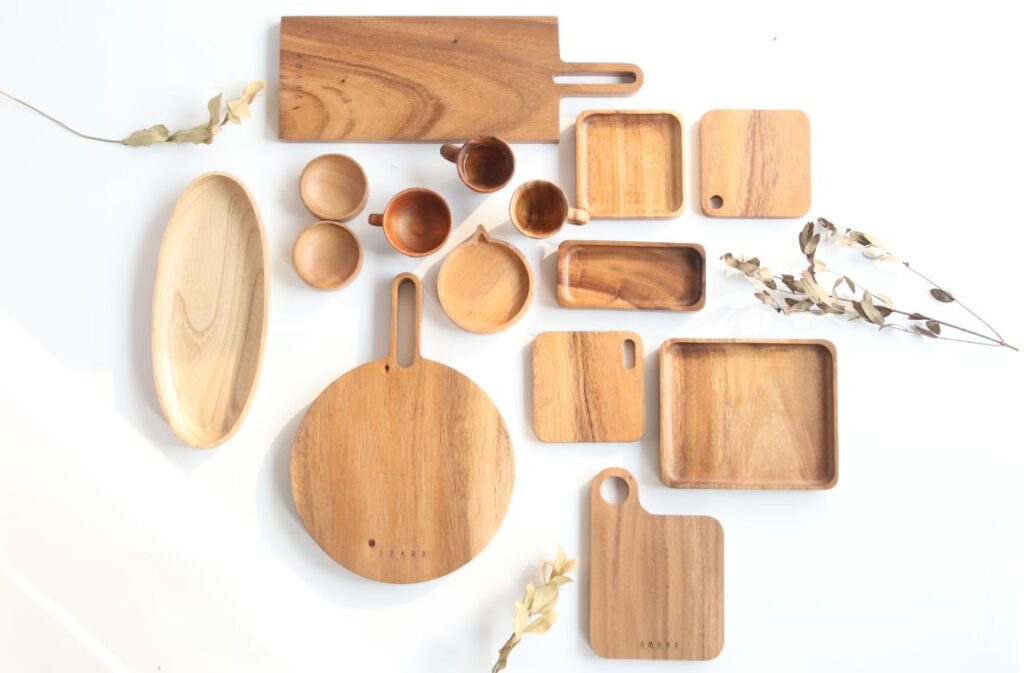
Essential Montessori kitchen tools 🔪🥄
- Child-safe knives – Specially designed to cut soft foods without risk of injury. Perfect for slicing bananas, cucumbers, or cheese.
- Wooden utensils – Lightweight, durable, and comfortable for small hands. Wooden spoons and spatulas are great for mixing and stirring.
- Measuring cups and spoons – Encourages early math skills and precision in the kitchen.
- Vegetable peelers – A safe, easy-to-handle peeler helps children prepare fruits and veggies independently.
- Mini rolling pin – Great for baking! Kids love rolling out dough for cookies, tortillas, or pizza.
- Small whisk – Mixing pancake batter or scrambling eggs becomes fun and engaging.
- Chopping board – A child-sized wooden cutting board provides a stable surface for slicing and dicing.
- Pouring pitcher – Encourages control and coordination when pouring water, juice, or milk.
- Small tongs – Helps with fine motor skill development while serving salads or picking up small foods.
Why Montessori Kitchen Tools Matter
The best way to teach kids real-life skills is by giving them real tools! Unlike plastic toys, Montessori kitchen tools are:
- Functional – Designed to perform real kitchen tasks.
- Child-sized – Perfectly proportioned for little hands.
- Encouraging independence – Helps kids take part in meal preparation with confidence.
However, tools are not the only component of a functional, child-friendly cooking space. Below, we explore Montessori kitchen hacks that can help you create one.
DIY Montessori kitchen hacks: How to make your kitchen Montessori-friendly on a budget
Dreaming of a Montessori kitchen but don’t want to spend a fortune? Good news — you don’t have to! With a little creativity, you can transform your kitchen into a Montessori-friendly space without breaking the bank. From DIY Montessori kitchen hacks to IKEA transformations, here’s how you can create a child-friendly cooking environment on a budget.
IKEA Montessori kitchen hack: Turn a toy into a functional kitchen
Did you know that IKEA’s Duktig play kitchen can be modified into a real, working space? Instead of just a pretend kitchen, you can install a real water source and make it fully functional for your child!
🔨 What you’ll need:
- IKEA Duktig Play Kitchen
- Small water dispenser or working pump faucet
- Mini storage baskets for utensils and food
- Real child-safe kitchen tools
🛠 How to modify it:
- Install a real water source – Add a small water dispenser or battery-operated faucet in the sink area.
- Lower the height – Adjust the legs to make it easier for toddlers to access.
- Swap fake burners for real prep space – Use it as a functional countertop for real food prep!
- Organize child-friendly tools and ingredients – Add hooks, baskets, or mini shelves for easy access.
➡️ Need inspiration? Check out this step-by-step IKEA Montessori kitchen hack for detailed instructions!
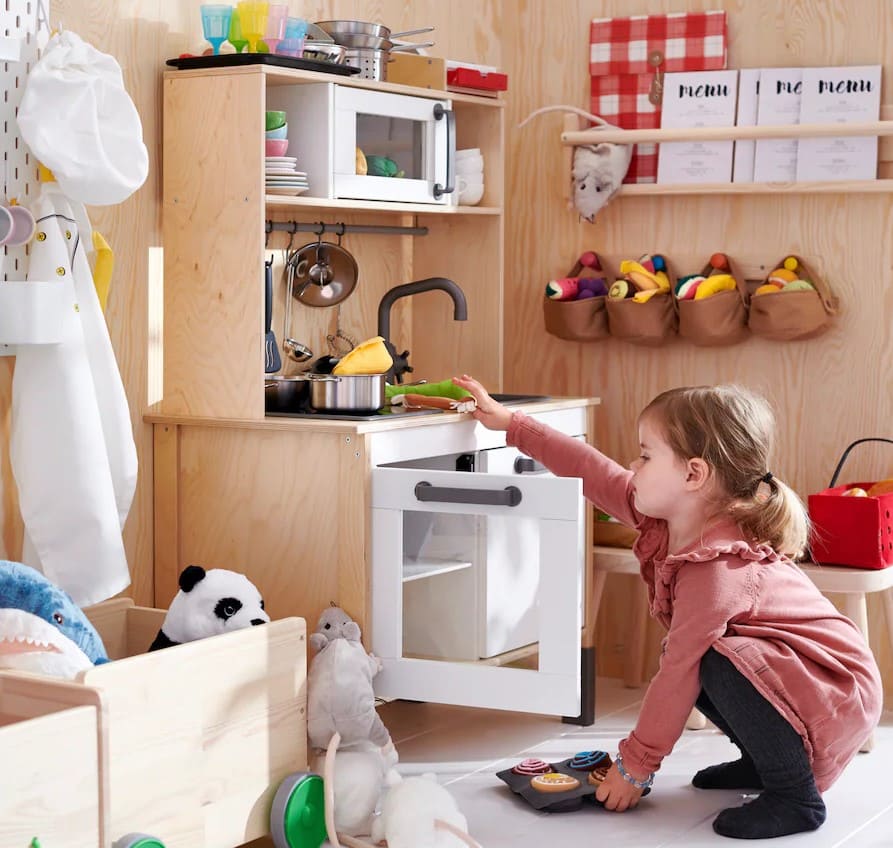
DIY Montessori kitchen projects
Want to get hands-on? Try these simple DIY Montessori kitchen ideas to enhance your child’s cooking space!
- Handmade cutting board – Use a small wooden plank, sand the edges, and seal with food-safe oil. Perfect for little hands!
- Homemade spice station – Fill small glass jars with child-friendly spices (like cinnamon and oregano) and add picture labels for easy recognition.
- Repurposed furniture as a snack station – Turn an old nightstand into a low, accessible food prep area where kids can grab their snacks.
Looking for more inspiration? Check out these Montessori kitchen ideas on Pinterest!
With a few DIY Montessori kitchen hacks, you can create a child-friendly cooking space. Now, let’s explore the activities suitable for it.
Montessori kitchen activities to try with kids
With the right Montessori kitchen activities, kids can practice real-world skills while having fun! But where should you start?
The best Montessori activities are age-appropriate and grow with your child’s abilities. Below, we’ll explore simple yet engaging kitchen tasks for different age groups, from babies to preschoolers. Get ready to roll up your sleeves and invite your little chef into the kitchen!

👶 Montessori kitchen activities for babies (0–12 months)
At this stage, the focus is on sensory exploration and early practical life skills. Babies learn best by watching and engaging with their senses, so even simple exposure to the kitchen environment is valuable!
🍼 Try these activities:
- Sensory play with safe kitchen items – Let them explore wooden spoons, silicone spatulas, or a small bowl filled with dry pasta.
- Observing food preparation – Place them in a high chair while you cook, allowing them to see, smell, and touch ingredients.
- Tasting soft foods – Offer safe finger foods like mashed avocado or banana for a hands-on tasting experience.
💡 Pro tip: Narrate what you’re doing! “I’m peeling a banana. Now I’m mashing it. Would you like to try?” This builds language skills and curiosity about food.
👧 Montessori kitchen activities for toddlers (1–3 years)
Toddlers love to imitate adults, making this the perfect time to introduce Montessori practical life skills in the kitchen! Focus on pouring, scooping, and basic food prep — simple tasks that build coordination and independence.
🥣 Try these activities:
- Pouring and transferring water – Give them a small pitcher and cup to practice controlled pouring.
- Washing fruits and vegetables – Let them rinse berries, apples, or carrots in a small bowl of water.
- Cutting soft foods – Use a child-safe knife to slice bananas, strawberries, or cheese.
- Mixing and stirring – Let them mix pancake batter, scrambled eggs, or cookie dough.
- Cleaning up – Wipe the table, sweep crumbs with a small broom, or carry dishes to the sink.
💡 Pro tip: Keep tools and ingredients at their level. A learning tower or low shelf with easy-to-reach utensils makes all the difference!
🧒 Montessori kitchen activities for preschoolers (3–6 years)
By preschool age, kids are ready for more advanced kitchen tasks. They love to take on responsibility, so encourage them to make simple snacks, set the table, and even help with meal planning.
🥕 Try these activities:
- Rolling dough – Let them roll out pizza dough, pie crust, or homemade tortillas.
- Peeling and chopping – Introduce a child-safe vegetable peeler and a small cutting board.
- Measuring and mixing ingredients – Show them how to scoop flour, measure water, and mix ingredients for simple recipes.
- Setting the table – Teach them to place napkins, cups, and utensils for family meals.
- Making a simple snack – Let them spread butter on toast, make a peanut butter sandwich, or assemble a fruit salad.
💡 Pro tip: At this stage, kids love to feel independent! Give them their own “kitchen station” with everything they need to complete tasks on their own.
Final words: Why every home needs a Montessori kitchen
Cooking with kids isn’t just about making meals — it’s an opportunity to teach focus, patience, and responsibility. Each small task builds their confidence and practical life skills. By creating a space where kids can pour, chop, mix, and clean up on their own, you’re giving them real-life skills that will stay with them forever.
The best part? You don’t need to change everything at once! Start small — introduce a learning tower, set up a water station, or give your child a child-safe knife to practice cutting soft foods. As they grow, they’ll take on more responsibility, and you’ll be amazed at what they can do.
And here’s the key: Be patient. Let them make mistakes. Spilled water? It’s an opportunity to practice wiping it up. Crookedly sliced apples? They still taste just as sweet! The Montessori approach is all about learning through experience — the messes, the small triumphs, and the joy of doing things “all by myself.”
So, are you ready to bring Montessori kitchen magic into your home? Start today, and watch your child blossom into a confident little chef! Lern more about doing Montessori at home!
🔎 Want to learn more about Montessori education? Visit the Montessori Family Center for expert tips, resources, and hands-on guidance to help your child thrive!
FAQ: Montessori kitchen and cooking with kids
To help you get the most out of your Montessori kitchen, here are answers to some of the most common questions parents ask. Whether you’re wondering about safety, setup, or activities, we’ve got you covered!
1. What is a Montessori kitchen?
A Montessori kitchen is a child-friendly cooking space designed to promote independence, confidence, and hands-on learning. It allows children to safely participate in food preparation, pouring, and cleaning, using real tools adapted for their size and skill level.
2. At what age should I introduce a Montessori kitchen?
You can start introducing your child to a Montessori kitchen from infancy! Babies (0–12 months) can observe and explore textures, toddlers (1–3 years) can practice pouring and cutting soft foods, and preschoolers (3–6 years) can help with more complex tasks like kneading dough and chopping vegetables.
3. Is a play kitchen Montessori?
Not all play kitchens align with Montessori principles. A Montessori play kitchen should be made of natural materials like wood, avoid unnecessary lights and sounds, and encourage realistic role-playing rather than pure fantasy. However, Montessori favors functional kitchens where children use real tools and food.
4. What are the best Montessori kitchen tools for kids?
Essential Montessori kitchen tools include:
✔ Child-safe knives for cutting soft foods
✔ Small cutting boards and rolling pins
✔ Wooden spoons and whisks
✔ Measuring cups and spoons
✔ A small water dispenser for pouring practice
These tools allow children to participate in cooking safely while developing fine motor skills and independence.
5. How do I make my kitchen Montessori-friendly on a budget?
A DIY Montessori kitchen doesn’t have to be expensive! You can:
✅ Modify an IKEA Duktig play kitchen to make it functional
✅ Use a step stool instead of a learning tower
✅ Find miniature kitchen tools at thrift stores
✅ Repurpose an old shelf as a snack station
✅ Set up a low water dispenser instead of installing a small sink
With a little creativity, you can create a child-friendly kitchen without breaking the bank!
6. What are some easy Montessori kitchen activities for toddlers?
Toddlers love hands-on kitchen tasks! Try:
🔹 Pouring water into cups from a small pitcher
🔹 Washing fruits and vegetables in a bowl of water
🔹 Cutting soft foods like bananas with a child-safe knife
🔹 Spreading butter or jam on toast
🔹 Wiping spills and sweeping crumbs
These activities develop coordination, focus, and responsibility in a fun way!
7. How can I encourage my child to clean up in the kitchen?
In Montessori, cleaning up is just as important as cooking! You can:
✔ Provide child-sized cleaning tools (small broom, dustpan, washcloths)
✔ Make it fun – Turn it into a game: “Let’s see how fast we can wipe the table!”
✔ Model the behavior – Children learn by watching you!
✔ Use a dedicated shelf for their kitchen tools so they know where everything belongs
The key is to make clean-up a natural part of the process rather than a chore.
8. Is it safe to let young children use real kitchen tools?
Yes — with supervision and age-appropriate tools! Montessori teaches children to respect tools by giving them real (but safe) utensils. Start with child-safe knives, wooden utensils, and small glass cups to build skills gradually. Always model safe handling and guide them until they’re confident.
9. How can I transition from a play kitchen to a real functional kitchen?
To move from a Montessori play kitchen to a functional one, follow these steps:
1️⃣ Introduce real food prep tasks in their play kitchen (e.g., slicing bananas)
2️⃣ Set up a child-accessible kitchen station with a small counter or learning tower
3️⃣ Provide real tools like child-safe knives and measuring spoons
4️⃣ Let them take on simple tasks (pouring, spreading, washing)
5️⃣ Gradually increase responsibility by involving them in meal prep
Soon, they’ll be making snacks all on their own!
10. How does a Montessori kitchen help with picky eating?
When children participate in food preparation, they’re more likely to try new foods! Montessori kitchens encourage:
🍎 Exploring textures – Touching, smelling, and preparing food makes it familiar.
🍽️ Ownership over meals – Kids feel proud to eat something they made themselves.
🥦 Curiosity about ingredients – Measuring, chopping, and mixing create interest in different foods.
Instead of forcing new foods, let your child engage with them naturally — it makes mealtime a fun learning experience!
References and further reading
For those looking to dive deeper into Montessori kitchen setups, tools, and activities, here are some valuable resources, including expert insights, practical guides, and product recommendations.
- A Functional Toddler Kitchen. Explores how a Montessori kitchen fosters independence and shares tips on setting up a child-friendly space.
- Amazon – Kitchen Collection. A wide selection of Montessori kitchen tools, furniture, and accessories to create a child-friendly cooking environment.
- 13-Piece Kitchen Tools Set. A curated set of child-safe utensils designed to support independent cooking and food preparation.
- Pinterest Kitchen Ideas. A collection of creative Montessori kitchen setups, organization tips, and DIY inspiration.
- Jessica Haizman – Functional Kids Kitchen with Working Sink (IKEA Hack). A step-by-step guide on modifying an IKEA Duktig play kitchen into a real, functional Montessori kitchen.
- Wood & Hearts – Kitchen Setup Guide. Practical tips on designing a Montessori kitchen that encourages independence and confidence in children.
- TuptiWood – Extra-Safe Montessori Learning Tower. A sturdy, child-friendly kitchen helper that allows toddlers to safely reach countertops.
- How to Montessori Your Cooking Space. Discusses how to involve young children in meal preparation, emphasizing practical life skills and independence.
- Kitchen Setup & Activities Video. A visual guide to setting up a Montessori kitchen and engaging kids in real cooking activities.
- Reddit Play Kitchen Discussion. Parents and educators share their experiences with Montessori play kitchens vs. functional kitchens, discussing benefits and challenges.