
Montessori parenting offers a refreshing approach to raising children — one that prioritizes independence, respect, and curiosity. Imagine a home where your child confidently pours their own water, selects their activities, and organizes their space — all with minimal guidance from you. Sounds like a dream? It’s entirely possible with Montessori principles, which are rooted in the educational philosophy of Dr. Maria Montessori.
This guide will show you how to do Montessori at home, from creating child-friendly routines to setting up purposeful spaces like a Montessori-inspired playroom or kitchen. Along the way, you’ll learn practical strategies for fostering independence, empowering your child with choices, and navigating common pitfalls.
Are you ready to embrace this transformative parenting journey? Let’s dive in and explore how to teach Montessori at home, step by step, while creating an environment where your child can thrive. Whether you’re starting small or planning to fully incorporate Montessori methods, every intentional step brings you closer to raising a confident, capable, and curious learner.
What is Montessori parenting?
Montessori parenting is a thoughtful approach to raising children that emphasizes independence, respect, and curiosity. Rooted in the educational philosophy of Dr. Maria Montessori, it encourages a hands-on, child-centered way of teaching and learning. But what does that mean in practice? And how can parents embrace Montessori methods at home to nurture their children’s growth?
Understanding the Montessori method
The Montessori method views children as naturally curious learners who thrive in environments tailored to their needs. It’s not about dictating how they should learn but about providing opportunities for discovery. Montessori parenting mirrors this philosophy by fostering independence and self-discipline, starting right in your home.
Imagine your child learning to pour their own water, choose their activities, or organize their toys — all at their own pace. This approach doesn’t just teach practical skills but also builds confidence and problem-solving abilities.
Why is Montessori parenting so effective?
A groundbreaking study published in Science shows that children educated in Montessori environments often outperform their peers in social and academic measures. The study highlights improved executive function, creativity, and a sense of community among Montessori learners. When you implement Montessori principles at home, you bring these proven benefits into your daily routine.
Curious about how to start? Let’s explore how to do Montessori at home!
Montessori strategies: How to apply the method at home
Montessori parenting is more than just an educational approach; it’s a lifestyle that focuses on confidence, support, and exploration. By making small, intentional changes to your daily routines, you can create an environment that helps your child thrive. Let’s explore some key strategies to apply Montessori methods at home.
1. Create consistent routines
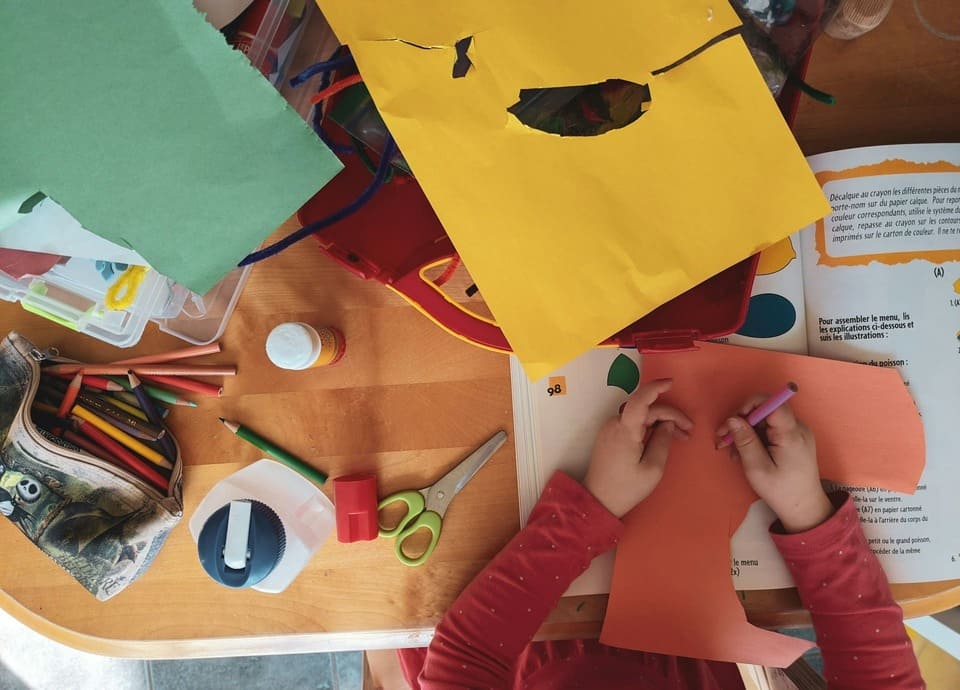
Routines are the foundation of Montessori parenting at home. Children flourish when they know what to expect, and a predictable schedule helps them feel secure and confident. Establish simple routines for meals, play, and bedtime, and involve your child in these activities.
For example, instead of serving breakfast, let your child help set the table or prepare their food. Are they ready to pour their own milk? Why not give them a small, easy-to-handle pitcher? These small acts encourage independence while making daily tasks feel special.
2. Offer choices to empower your child
One of the most powerful ways to practice Montessori parenting is by giving your child choices. When you offer options, you respect their autonomy and teach decision-making skills.
For instance, instead of asking, “What do you want to wear?” narrow the choices to two outfits. This simple tweak avoids overwhelm while letting your child feel in control. The same applies to activities — ask, “Would you like to draw or build with blocks?” This approach encourages thoughtful decision-making and reduces tantrums.
3. Encourage independence
A cornerstone of Montessori parenting is teaching your child how to do things for themselves. Wondering how to do Montessori at home in a way that empowers your little one? Start by introducing age-appropriate tasks.
Here are some ideas:
- In the kitchen: Let your child wash fruits, peel a banana, or spread butter on bread.
- In the bedroom: Encourage them to make their bed or put toys back in their designated spots.
- During play: Teach them to clean up their workspace before starting a new activity.
Every time you step back and let them try, you’re helping them build confidence and resilience.
4. Focus on prepared environments
To truly embrace Montessori parenting, creating a prepared environment is essential. This means designing spaces that are accessible and inviting for your child. Wondering how to set up a Montessori classroom at home? Start small — your home doesn’t need to look like a school! By simplifying it, you give your child the freedom to explore and learn without unnecessary distractions. We dive deeper into this step in the next section.
5. Observe and adapt
Montessori parenting requires you to be an active observer. Take time to watch your child at play — what interests them? What challenges them? These observations will help you tailor activities and your environment to meet their needs.
For example, if your child is fascinated by pouring water, consider setting up a water-pouring activity. If they struggle with tidying up, break the task into smaller steps and model it for them. More tips are available in the corresponding section.
6. Celebrate progress, not perfection
It’s easy to get caught up in the idea of doing Montessori “perfectly.” But the truth is, Montessori parenting is about progress, not perfection. Focus on small wins — whether it’s your child learning to put on their shoes or choosing their own snack.
Ask yourself: Am I fostering independence? Am I creating an environment where my child feels respected and capable? If the answer is yes, you’re on the right track.
When you learn how to teach Montessori at home, you’re giving your child the tools to grow into a confident, curious, and self-sufficient individual. So, be patient, and remember: every step you take is a step toward helping your child thrive. Isn’t that worth the effort?
Transforming your home into a Montessori haven
Have you ever considered how your home environment shapes your child’s development? In Montessori parenting, the home isn’t just a place to live — it’s a space to inspire learning, independence, and creativity. By making a few intentional changes, you can create a home that fully supports your child’s natural growth. Let’s explore how to do Montessori at home by simplifying your space and setting the stage for exploration.
Simplify key areas of your home
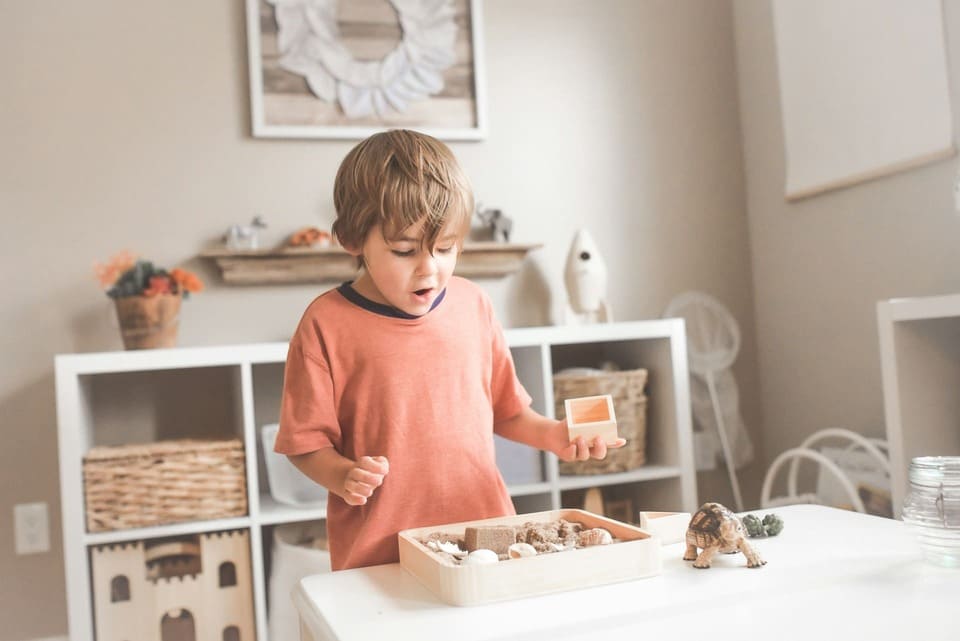
A clutter-free environment is central to Montessori parenting. Why? An organized space helps children focus and encourages independence. Start by decluttering two key areas:
- Kitchen. Transform your kitchen into a child-friendly zone. Place frequently used items — like plates, cups, and utensils — on low shelves or in drawers that your child can easily reach. Want to take it a step further? Set up a small station with snacks and water, empowering your child to serve themselves. Learn more here: Montessori kitchen guide.
- Bedroom. In the bedroom, keep furniture low and accessible, like a floor bed or low bookshelves. Reduce distractions by limiting toys and decorations, and instead, display a few carefully chosen items that spark joy and curiosity. For further information, refer to these guides: Montessori baby room and Montessori toddler room.
Take a moment to ask yourself: Does this space encourage my child to act independently? If not, consider what you can adjust.
Rethink non-Montessori-aligned toys
Not all toys align with Montessori principles. Avoid toys that are overly flashy, noisy, or designed for passive entertainment. Instead, focus on items that encourage creativity and hands-on learning.
Here’s what to look for in Montessori-friendly toys:
- Simplicity: Toys should have a clear purpose and avoid unnecessary features.
- Natural Materials: Opt for wooden or fabric toys over plastic whenever possible.
- Realistic Design: Choose toys that reflect real-life objects or activities.
For example, replace a battery-operated toy car with a simple wooden one or swap out a flashy dollhouse for a handcrafted version.
Design an intentional Montessori playroom
A Montessori playroom doesn’t need to be fancy — it just needs to be intentional. Start with these basics:
- Low Shelves: Use open, low shelving to display toys and materials. This makes it easy for your child to see their options and choose what interests them.
- Defined Activity Zones: Create separate areas for activities like art, reading, and sensory play.
- Order and Organization: Group similar toys together in baskets or trays, and rotate items regularly to keep things fresh.
A Montessori playroom encourages focus and exploration without overwhelming your child. As you set it up, ask: Does this space invite my child to engage with purpose?
Make Montessori parenting work for you
Transforming your home for Montessori doesn’t have to happen overnight. Start small by decluttering one area or replacing a few toys. With each change, you’ll notice your child becoming more independent and engaged.
Remember, Montessori parenting is about progress, not perfection. While learning how to teach Montessori at home, creating a supportive environment is a big step toward helping your child thrive. However, an even more crucial factor is the role you play as a parent.
The role of the Montessori parent: Key focus areas
In the Montessori method, parents play a pivotal role in fostering their child’s independence, curiosity, and love for learning. But what does it really mean to be a Montessori parent? It’s not about being perfect; it’s about being intentional. By cultivating the right habits and qualities, you can effectively support Montessori at home and empower your child to thrive.
1. Be a role model
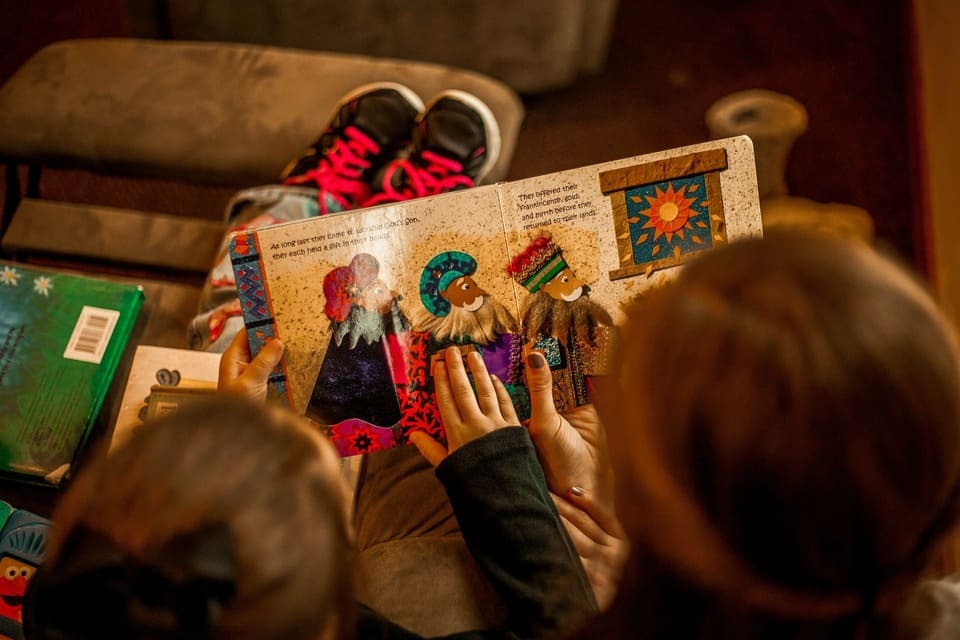
Have you ever noticed how children mimic your every move? In Montessori parenting, parents are seen as their child’s first teacher. Your actions set the tone for how your child interacts with the world.
For example, if you want to teach kindness, demonstrate it in your daily interactions. If you expect your child to tidy up after playing, show them how it’s done. Remember, children learn by watching, so be the behavior you want to inspire.
Ask yourself: Am I modeling the qualities I want my child to develop?
2. Nurture curiosity
Children are naturally curious, and one of the most rewarding aspects of Montessori parenting is supporting that curiosity. Encourage your child to explore their interests by providing tools and resources that align with their passions.
For instance, if your child loves nature, why not create a small garden or set up a birdwatching station? If they’re fascinated by cooking, involve them in meal preparation. When you nurture their curiosity, you’re teaching them that learning is a lifelong adventure.
Wondering how to teach Montessori at home? Start by observing what excites your child and build activities around those interests.
3. Practice patience
Patience is a cornerstone of Montessori parenting. It’s about stepping back, giving your child time to explore, and resisting the urge to jump in too quickly. This can be challenging, especially when you’re in a hurry, but patience allows your child to develop confidence and problem-solving skills.
For example, if your child struggles to tie their shoes, resist the temptation to do it for them. Instead, offer gentle guidance and give them space to figure it out. Each small victory boosts their independence and resilience.
When you feel your patience wearing thin, take a deep breath and ask yourself: How can I support my child without taking over?
4. Create a calm, encouraging atmosphere
Montessori parenting emphasizes a peaceful and supportive environment where children feel safe to express themselves. Speak to your child with respect, listen to their thoughts, and celebrate their efforts, no matter how small.
Does your home encourage a sense of calm and focus? If not, consider how you can make adjustments — whether it’s reducing noise, simplifying routines, or creating cozy spaces for quiet reflection.
5. Embrace flexibility
While routines are important in Montessori parenting, flexibility is just as crucial. Children grow and change quickly, and their needs evolve over time. Be open to adapting your approach as you observe their development.
For example, if your child’s interests shift from painting to building, rearrange their play area to support this new focus. Montessori parenting isn’t about sticking to rigid rules — it’s about responding to your child’s unique journey.
Being a Montessori parent means embracing the role of a guide, not a director. It’s about creating an environment where your child feels empowered to explore, learn, and grow at their own pace. With patience, curiosity, and intentionality, you can help your child develop into a confident, independent learner. Isn’t that a journey worth taking?
Of course, no journey is without its challenges: As you navigate Montessori parenting, it’s natural to encounter obstacles and make mistakes along the way.
Avoiding common mistakes in Montessori parenting
Even the most dedicated parents can stumble when trying to apply Montessori methods at home. The good news? With awareness and a little guidance, you can sidestep these common mistakes and create an enriching environment for your child. So, let’s explore the pitfalls and how to avoid them.

1. Over-controlling the environment
One common mistake in Montessori parenting is over-controlling the home environment. While it’s important to create a well-organized space, it’s equally crucial to allow your child some freedom within it.
For example, if you’re constantly rearranging or tidying up every small mess, you might unintentionally stifle your child’s creativity and sense of ownership. Instead, involve them in maintaining the space. Show them how to put toys away or clean up after activities — this empowers them to take responsibility.
Ask yourself: Am I creating an environment that encourages independence, or am I micromanaging?
2. Misunderstanding guidance vs. independence
Another challenge is striking the right balance between offering guidance and fostering independence. It’s natural to want to help, but stepping in too often can prevent your child from learning through trial and error.
For instance, if your child is struggling to solve a puzzle, resist the urge to complete it for them. Offer encouragement or ask guiding questions like, “What piece do you think fits here?” This approach supports their problem-solving skills without taking away the joy of discovery.
Remember, Montessori parenting is about guiding, not directing.
3. Expecting immediate results
Montessori parenting is a process, not a quick fix. Some parents expect instant changes, such as improved behavior or newfound independence, and may feel frustrated when progress seems slow.
Patience is key. Observe your child’s growth over time and celebrate small milestones, like their first attempt at pouring water or putting on shoes. These moments are the building blocks of confidence and independence.
4. Introducing too much at once
When learning how to apply Montessori methods at home, it’s easy to get excited and try to overhaul your entire environment overnight. However, introducing too many changes at once can overwhelm both you and your child.
Instead, start small. Focus on one area, like setting up a Montessori playroom or involving your child in meal prep. Gradually expand your efforts as you and your child adapt to the new approach.
5. Neglecting your role as a parent
While the Montessori method emphasizes independence, it doesn’t mean stepping back entirely. Parents play a critical role in modeling behavior, setting boundaries, and providing support.
For example, if your child sees you tidying up or engaging in meaningful activities, they’ll naturally want to imitate you. Likewise, clear boundaries help children feel secure and understand expectations.
Mistakes are a natural part of learning, both for you and your child. Instead of dwelling on what went wrong, view each misstep as a chance to grow. With awareness, patience, and a willingness to adapt, you’ll create an environment where both you and your child can thrive. Isn’t that what Montessori is all about?
Final words: Montessori parenting at home with confidence
Montessori parenting is more than just a method — it’s a journey toward raising a confident, independent, and curious generation. By applying Montessori principles at home, you create an environment where your child can thrive through hands-on learning, exploration, and self-discovery. Whether it’s simplifying your space, fostering independence, or introducing purposeful routines, every small step makes a big difference.
However, the benefits of Montessori parenting don’t stop at home. Visiting a Montessori family center can amplify your efforts, offering opportunities to learn from certified specialists, introduce your child to new experiences, and connect with like-minded parents. These centers provide invaluable resources to deepen your understanding of Montessori methods while helping your child engage with peers in a supportive and enriching environment.
Ready to take the next step? Visit the Montessori Family Center to explore how you can expand your journey, gain expert guidance, and become part of a thriving community. Together, we’ll unlock your child’s full potential and embrace the joy of Montessori parenting.
FAQ: Common questions about Montessori parenting
1. What is Montessori parenting?
Montessori parenting is an approach that fosters independence, curiosity, and respect for a child’s natural development. It focuses on creating a supportive, hands-on learning environment where children can explore and grow at their own pace.
2. What are the main principles of Montessori at home?
The key principles include fostering independence, creating a prepared environment, encouraging hands-on learning, and following the child’s interests. Montessori at home involves simplifying spaces, offering choices, and guiding children without excessive interference.
3. What age to start Montessori at home?
Montessori methods can be introduced as early as infancy. From birth, you can create a calm and stimulating environment, and as your child grows, introduce age-appropriate activities to nurture their independence and curiosity.
4. How to teach Montessori at home?
Teaching Montessori at home involves observing your child, providing purposeful activities, and fostering independence. Use child-sized tools, offer choices, and encourage hands-on exploration to help them learn through discovery.
5. How to set up a Montessori classroom at home?
To set up a Montessori classroom at home, create a clutter-free space with low shelves for accessible materials, natural lighting, and defined activity zones. Focus on simplicity and ensure everything is organized and within your child’s reach.
6. What materials do I need for Montessori at home?
Montessori materials don’t need to be expensive. Start with basics like wooden blocks, puzzles, practical life tools (e.g., a child-sized broom), and sensory activities like water play or sand trays. Choose items that encourage hands-on learning and creativity.
7. How much time should I spend on Montessori activities daily?
There’s no set rule for how much time to spend, but consistency is key. Start with short, focused sessions, such as 20–30 minutes daily, and gradually increase as your child becomes more engaged and independent.
8. Can Montessori work for every child?
Yes, Montessori can be adapted to suit every child’s unique needs and interests. By observing your child and tailoring the environment and activities, you can make Montessori work for various personalities and learning styles.
9. How do I balance Montessori at home with a busy schedule?
Montessori parenting doesn’t require hours of structured time. Focus on integrating Montessori principles into daily routines — such as involving your child in cooking, cleaning, or organizing — so learning happens naturally throughout the day.
10. How can I learn more about Montessori methods?
To deepen your understanding, consider visiting a Montessori family center, where you can access certified specialists, resources, and support. Centers like Montessori Family Center provide valuable insights, new experiences for your child, and the chance to connect with like-minded families.
References and further reading
Explore these resources for more insights into Montessori parenting:
- The Benefits of Montessori Education – Science. A groundbreaking study highlighting how Montessori methods improve academic, social, and emotional outcomes in children.
- Montessori at Home: Top Dos and Don’ts – Geneva Montessori. A practical guide with tips for implementing Montessori principles at home, including common mistakes and strategies to foster independence.
- Montessori and Your Child: A Guide for Families – AMS HQ. A comprehensive resource from the American Montessori Society about creating a Montessori-inspired home and supporting your child’s growth.
- How to Set Up Your Home the Montessori Way – Reach for Montessori. A detailed guide on transforming your home with Montessori principles, including tips on decluttering and selecting Montessori-aligned materials.