
Every child learns differently, and for autistic children, finding the right educational approach can be a challenge. Could Montessori be the answer? With its emphasis on hands-on learning, independence, and sensory-friendly environments, Montessori education is gaining attention as a potential fit for autistic learners. But is Montessori good for autism?
Unlike traditional classrooms with rigid structures, Montessori offers flexibility, allowing children to explore at their comfort level, follow their interests, and develop essential life skills. This individualized approach aligns with many autistic children’s strengths, providing a calm, structured environment that reduces sensory overload.
However, is Montessori and autism always a perfect match? While some children thrive with this method, others may need additional support. Understanding its benefits and challenges is crucial for making the right choice. Let’s dive deeper into how Montessori works for neurodiverse learners and whether it’s the right fit for your child! Follow this link for more Montessori parenting tips.
What is Montessori education? A child-centered approach to learning
Imagine a classroom where children are free to explore, choose activities that spark their curiosity, and learn at their own pace. That’s the essence of Montessori education! But what makes this method so unique, and why is it gaining attention as a potential fit for autistic children?
Developed by Dr. Maria Montessori, this educational philosophy is built on three core principles: independence, sensory learning, and individualized pacing. Instead of traditional teacher-led instruction, Montessori classrooms encourage children to take charge of their learning. They engage with hands-on materials, move freely, and develop real-world skills through practical activities.
For children with autism, this can be a game-changer. The structured yet flexible environment minimizes stress while fostering confidence and autonomy. Rather than forcing every child into the same learning mold, Montessori allows them to grow on their timeline. Sounds like an education system designed to celebrate differences rather than suppress them. But how exactly does this method support autistic learners? Below, we explore the ways Montessori can align with their unique strengths and challenges.
Key benefits of Montessori for autistic children
So, is Montessori good for autism? Many parents wonder whether this child-centered approach can truly support their child’s unique needs. The answer?
In many cases, yes! Montessori’s structure provides an environment that fosters growth, learning, and confidence, without the stress of rigid expectations. Below, you can see why Montessori can be such a great fit for autistic children.
1. Sensory-friendly environments
Traditional classrooms can be loud, chaotic, and overwhelming. Bright lights, constant chatter, and sudden schedule changes can trigger anxiety in autistic children. Montessori classrooms, on the other hand, are designed to be calm and structured. They feature soft lighting, organized spaces, and a predictable routine that helps children feel secure.
2. Individualized learning paths
Every child learns at their own pace, but autistic children often need even more flexibility to thrive. Instead of expecting all students to follow the same rigid schedule, Montessori allows children to progress at a comfortable speed. If a child is passionate about puzzles, numbers, or nature, they can dive deeper into those subjects — without being rushed or held back.
3. Hands-on learning for better engagement
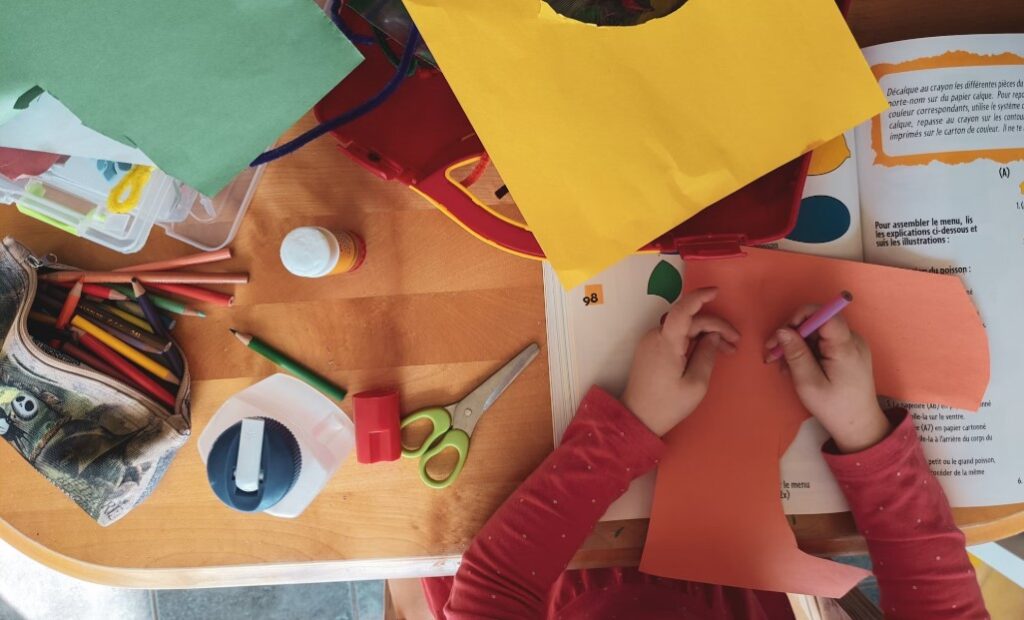
Autistic children often process information visually and through touch, making traditional lectures and worksheets frustrating. Montessori replaces passive learning with interactive, hands-on materials that engage the senses. Think of wooden blocks for math, sandpaper letters for reading, and real-life objects for learning practical skills. Wouldn’t it be amazing to learn by doing rather than just listening?
4. Freedom of movement and sensory needs
Sitting still for long periods can be difficult for many autistic children, especially those with sensory processing challenges. In a Montessori classroom, movement is encouraged! Children can stand, walk around, or even work on the floor if that’s what helps them focus. This freedom supports self-regulation and helps children learn in a way that feels natural to them.
5. Fostering independence and life skills
One of the greatest strengths of Montessori is its focus on real-world skills. Autistic children often benefit from clear routines and practical tasks, such as preparing snacks, watering plants, or organizing materials. These activities build self-confidence and independence, giving children the tools to navigate daily life with greater ease. Imagine the pride of a child who learns to complete everyday tasks on their own!
So, is Montessori good for autism?
Montessori’s sensory-friendly environment, hands-on learning, and individualized approach create an ideal setting for autistic children’s growth and success. Does it mean that every child thrives in a Montessori classroom? Not always. The next section explores some potential challenges to consider.
Potential drawbacks of Montessori for autism
While its child-centered approach can be highly effective, some challenges of Montessori for autistic children should be considered. Everxy child is unique, and what works for one may not work for another. Let’s explore some Montessori autism limitations to help you make an informed decision.
1. Less structured curriculum — A challenge for some
Many autistic children thrive on clear, predictable routines. They feel secure when they know exactly what to expect each day. While Montessori does provide structure, it’s also highly flexible, allowing children to choose activities and move at their own pace.
For some, this freedom is empowering — but for others, it can feel overwhelming. Without a fixed schedule, some autistic children might struggle with decision-making or find the lack of a strict routine unsettling. Does your child need a highly structured environment to feel comfortable? If so, a traditional special education setting might be a better fit.
2. Social interaction expectations — Not always a perfect fit
Montessori classrooms encourage peer learning and collaboration, which can be wonderful for some children but challenging for others. Many autistic children prefer independent work and may find group activities or social expectations stressful.
While Montessori respects personal space and individual work, some schools place a strong emphasis on teamwork. This could be difficult for children who experience social anxiety or struggle with non-verbal communication cues. Would your child feel comfortable engaging in group-based learning, or would they prefer more one-on-one guidance?
3. Teacher experience matters — Not all Montessori schools are the same
Not all Montessori educators have training in special education or autism support. Some may be unfamiliar with sensory processing challenges or struggle to accommodate children who require additional support.
When considering a Montessori school for an autistic child, it’s essential to ask about teacher experience. Does the school have staff trained in autism support? Are accommodations made for sensory needs? A Montessori environment is only as good as the teachers who shape it!
While Montessori’s flexibility, hands-on learning, and sensory-friendly spaces can be incredibly beneficial for many autistic children, it’s not a one-size-fits-all solution. Some children need more structure, fewer social demands, or specialized support that not all Montessori schools provide.
So, how can you decide? The key is to visit schools, observe classrooms, and talk to teachers. Consider your child’s personality, learning style, and specific needs. If they thrive in a calm, self-directed space, Montessori could be a perfect fit. If they need more structure and specialized support, another educational approach might be better.
The next section will help you choose the right Montessori school for an autistic child — so you can make the best decision with confidence!

How to choose the right Montessori school for an autistic child
So, you’re considering Montessori for your autistic child — but how do you find the right school? As we’ve just mentioned, not all Montessori schools are the same, so the key to success lies in choosing an environment that truly understands and supports neurodiverse learners. What should you look for? What questions should you ask? Let’s explore how to find the best Montessori school for autism!
1. Teacher training — Do they understand autism?
Montessori educators are trained to guide rather than dictate learning, but not all have experience working with autistic children. It’s essential to ask:
- Do teachers have training in autism education or special needs support?
- How do they handle sensory sensitivities, meltdowns, or communication challenges?
- Are they willing to adapt their approach to fit your child’s specific needs?
A Montessori classroom can be wonderful for autistic learners, but only if the teachers truly understand how to support them.
2. Classroom setup — Is it sensory-friendly?
Autistic children often struggle in noisy, overstimulating environments. A well-designed Montessori classroom should be calm, organized, and sensory-friendly. When visiting a school, observe:
- Are the lights soft and natural, or are there harsh fluorescents?
- Is there a quiet space where children can retreat if they feel overwhelmed?
- Are learning materials hands-on and engaging without being cluttered?
A well-structured environment can make all the difference in helping an autistic child feel safe and focused.
3. Flexibility — Can the school adapt to your child’s needs?
Montessori education is designed to be flexible, but some schools stick rigidly to traditional Montessori methods without adapting for neurodiverse students. Ask:
- Are accommodations available for children who need more structure in their routines?
- How does the school handle transitions, which can be difficult for autistic children?
- Can parents collaborate with teachers to develop an individualized learning plan?
The right Montessori school should be willing to work with you to create an approach that truly benefits your child.
4. Social expectations — Is peer interaction optional?
While Montessori classrooms promote peer learning, not all autistic children enjoy group activities. It’s important to know:
- Can children work independently if they prefer, or are group activities required?
- Do teachers encourage social interaction without forcing it?
- How do they support children who struggle with communication or making friends?
A good Montessori school respects each child’s social comfort level and allows them to interact in a way that feels natural.
5. Parent involvement — Are you welcome?
As a parent, you know your child best! The best Montessori schools welcome parental input and keep you involved in your child’s education. Before enrolling, ask:
- How often do teachers communicate with parents about progress and challenges?
- Are parents encouraged to observe or participate in classroom activities?
- What role do parents play in shaping their child’s learning experience?
Not every Montessori school is well-equipped for autistic learners, but the right one can be life-changing. Take the time to visit schools, meet teachers, observe classrooms, and trust your instincts! With the right school, Montessori can provide a nurturing, flexible, and empowering education that helps your autistic child thrive. Let’s explore how Montessori has helped autistic children reach their full potential!
Success stories and challenges: Real-life experiences of autistic children in Montessori settings
Exploring real-life experiences can provide valuable insights into how Montessori education impacts autistic children. Here are three success stories and one challenging experience shared by parents and educators:
1. Montessori as an alternative to ABA therapy
Some parents have found Montessori methods to be a compassionate alternative to Applied Behavior Analysis (ABA) therapy for their autistic children. The emphasis on sensory-utilizing, calm learning environments and respect for individuality aligns well with the needs of autistic learners. This approach allows children to learn at their own pace in a supportive and unpressured environment.
2. Montessori’s prepared environment supporting sensory processing
Children with Sensory Processing Disorder (SPD) often thrive in prepared Montessori learning environments. The focus on practical, hands-on tasks in quiet, orderly settings helps these children engage effectively. This structured yet flexible approach caters to their unique sensory needs, facilitating better learning experiences.
3. Positive reinforcement and skill development
Incorporating positive reinforcement within Montessori settings has led to significant improvements for some autistic children. For instance, a case study highlighted a child named Henry who, through the use of positive reinforcement strategies, began to interact more and develop new skills. This approach aligns with Montessori principles of fostering independence and self-directed learning.
4. Montessori’s unstructured environment leading to increased anxiety
Not all experiences with Montessori education have been positive for autistic children. One parent reported that the unstructured environment heightened their child’s anxiety, leading to behaviors like wandering the halls and taking extended bathroom breaks. The lack of direct guidance and insufficient special education training among staff contributed to these challenges.
These varied experiences highlight that while Montessori education can offer significant benefits to some autistic children, it may not be suitable for all. Individual needs and the specific school’s ability to accommodate those needs play crucial roles in determining the appropriateness of the Montessori approach.
Final words: Is Montessori good for autism?
So, let’s finally answer this question: Is Montessori right for children with autism? The answer depends on the child, their unique needs, and the specific Montessori environment. For many autistic children, Montessori’s sensory-friendly atmosphere, hands-on learning, and individualized approach create an ideal setting for growth. The flexibility allows them to move at their own pace, while the emphasis on real-world skills helps build confidence and independence.
But as we’ve seen, Montessori isn’t a one-size-fits-all solution. Some children thrive in an open-ended structure, while others may need more guidance and predictability. Would your child benefit from a more self-directed learning style? Do they enjoy hands-on activities? If so, Montessori could be a great fit!
The best way to find out? Try it out! Many Montessori schools offer trial periods, classroom observations, or even short-term enrollment options. Visit a school, talk to the teachers, and see how your child responds to the environment. Does it feel like the right place?
No matter which path you choose, the most important thing is to find an educational approach that supports your child’s strengths and helps them flourish. Whether Montessori or another method, the right learning environment can make all the difference!
Curious about how Montessori education works and whether it’s the right fit for your child? Visit the Montessori Family Center for expert insights, resources, and guidance on Montessori learning. Discover how this unique approach can support your child’s growth and development!
FAQ: Montessori and autism
To provide even more value and optimize for search engines, here’s a comprehensive FAQ covering common questions about Montessori and autism.
1. Is Montessori good for autism?
Yes, Montessori can be a great fit for many autistic children. Its hands-on learning, sensory-friendly environment, and individualized approach allow children to progress at their own pace. However, every child is different, and some may need more structured support than a traditional Montessori setting provides.
2. How does Montessori support autistic children’s learning styles?
Montessori focuses on self-directed, hands-on learning, which aligns well with the strengths of many autistic children. The method emphasizes visual and tactile learning, allowing children to grasp concepts through real-world experiences instead of passive instruction.
3. What are the benefits of Montessori for autistic children?
Some key benefits include:
✅ Sensory-friendly classrooms that reduce overstimulation
✅ Individualized learning tailored to each child’s needs
✅ Freedom of movement to support sensory regulation
✅ Independence-building activities for life skills
✅ Calm, structured environments that minimize anxiety
4. Are all Montessori schools good for autistic children?
Not necessarily. Each Montessori school is different, and not all teachers have training in autism support. It’s important to visit the school, observe classrooms, and ask about teacher experience with neurodiverse learners before enrolling.
5. Does Montessori help with social challenges in autism?
Montessori encourages peer interaction in a natural way, without forcing social engagement. Autistic children can observe and join in when they feel ready, which helps reduce anxiety and build confidence in social settings. However, if a child needs more structured social skills training, they may benefit from additional support outside of school.
6. Can a child with autism struggle in Montessori?
Yes, some autistic children may find the open-ended structure challenging. If a child thrives on highly structured routines, they might struggle with the freedom that Montessori offers. Some schools provide a more structured approach within Montessori principles, so it’s important to find the right fit.
7. How do I choose the best Montessori school for my autistic child?
Look for a school that:
✔ Has teachers trained in autism education
✔ Offers sensory-friendly classrooms
✔ Allows for individual learning plans
✔ Provides a balance of structure and flexibility
✔ Encourages parental involvement
Always visit the school and ask specific questions about how they accommodate autistic learners.
8. Does Montessori replace special education programs for autism?
Montessori can be a great educational alternative, but it does not replace specialized therapies like speech therapy, occupational therapy, or behavioral support. Some parents supplement Montessori education with additional services to ensure their child’s needs are fully met.
9. Can nonverbal autistic children succeed in Montessori?
Yes! Montessori places a strong emphasis on visual learning and hands-on activities, which can be beneficial for nonverbal children. Teachers focus on observation and individualized support, allowing children to communicate and express themselves in ways beyond verbal speech.
10. How can I prepare my autistic child for Montessori education?
To help your child transition smoothly, you can:
🔹 Visit the school together before enrolling
🔹 Introduce Montessori materials at home (practical life activities, puzzles, sensory toys)
🔹 Talk to the teachers about your child’s needs and challenges
🔹 Establish a flexible routine to help with the transition
References and further reading
For those interested in exploring Montessori and autism in greater detail, here are some valuable resources that provide insights from experts, educators, and parents:
- Mosaic Montessori – Are Montessori Schools Efficient for Autism?
Discusses how Montessori’s child-led, sensory-friendly approach can support autistic learners. - Reddit: Montessori for an Autistic Little Kid
A discussion thread where parents share real-life experiences, challenges, and tips for choosing Montessori for autistic children. - Manhattan Psychology Group – Is a Montessori Early Education Program a Reliable Option for Children with Autism?
Explores the benefits and potential drawbacks of Montessori for autistic children from a psychological perspective. - Quora Discussion: Are There Any Benefits of Sending an Autistic Child to a Montessori School?
Features personal experiences from parents and educators discussing Montessori’s impact on autistic children. - Montessori Education for Autism – Understanding Montessori and Autism
Explains how Montessori principles align with the learning styles of autistic children and provides practical examples. - AIM Montessori Teacher Training – Autism Awareness in Montessori Education
A training resource for Montessori educators to better understand autism and adapt their teaching methods. - Montessori Toddler Blog – Are Montessori Schools Efficient for Autism? A parent-focused guide on how Montessori classrooms support sensory sensitivities, independence, and individualized learning.