Gymnastics for kids is more than just a sport — it’s an activity that combines fun, fitness, and foundational skill-building, setting the stage for lifelong physical and mental well-being. From improving motor skills to fostering resilience and confidence, gymnastics offers numerous benefits for toddlers and preschoolers. But as a parent, you may wonder how to get started and what to expect. This guide explores everything you need to know, from the right age to begin to activities, safety tips, and choosing the best program. By the end, you’ll be equipped to support your child on this exciting journey. If you’re looking for a nurturing and structured program, check out the Montessori Family Center Gymnastics for Kids Course for a unique blend of play and development.
What is gymnastics for kids?
Gymnastics for kids is a structured yet playful physical activity designed to support the physical, mental, and social development of children. Tailored specifically for young participants, it focuses on foundational movements such as balance, flexibility, strength, and coordination. Unlike gymnastics for adults, which often centers on competition and advanced techniques, gymnastics for kids emphasizes age-appropriate skills, enjoyment, and fostering a lifelong love for physical activity.
Studies highlight the importance of gymnastics in enhancing children’s motor skills. Research published in the Science of Gymnastics Journal demonstrates that recreational gymnastics programs significantly improve motor proficiency in young children, helping them gain confidence in movements like running, jumping, and balancing. These skills lay the groundwork for success in other physical activities and daily life tasks, making gymnastics for kids a critical contributor to holistic growth.
Beyond physical benefits, gymnastics supports cognitive and emotional development. According to findings in this Systematic Review of Physical Activity and Health in Children Younger than 6 Years, regular participation in structured physical activities like gymnastics promotes better focus, self-discipline, and resilience. These qualities, paired with the social aspects of group classes, allow children to develop teamwork, patience, and the ability to follow instructions.
The design of gymnastics programs for kids also considers their unique developmental stages. Activities are modified to match their growing abilities, ensuring safety while challenging their potential. This makes gymnastics not only a safe introduction to physical activity but also an enjoyable one, promoting a positive relationship with fitness from an early age.
So, gymnastics for kids goes beyond somersaults and cartwheels — it’s a well-rounded activity that nurtures physical strength, mental confidence, and emotional resilience. For toddlers and preschoolers, these benefits are especially profound, laying a strong foundation for their growth and development. Let’s explore why gymnastics is such a powerful tool for supporting young children’s well-being.
Why gymnastics is great for kids: 20 benefits for toddlers and preschoolers
Gymnastics for kids offers a wealth of advantages that can be grouped into two key areas: physical and mental benefits. On one hand, it nurtures children’s growing bodies, building strength, flexibility, and coordination. On the other, it supports their mental and emotional development, fostering focus, confidence, and resilience. Let’s explore these two important aspects in detail to see how gymnastics helps toddlers and preschoolers thrive.
Physical benefits of gymnastics for kids
Gymnastics provides a full-body workout that fosters physical development during the critical early years. Here are the key physical benefits:
- Strength Development: Gymnastics strengthens core, arm, and leg muscles through activities like hanging, climbing, and balancing, which are foundational for overall fitness.
- Flexibility: Regular stretching and movement improve flexibility, enhancing range of motion and preventing stiffness as children grow.
- Balance and Stability: Skills like walking on beams and maintaining poses help toddlers develop balance and stability, reducing the likelihood of falls.
- Improved Coordination: Gymnastics enhances hand-eye and foot-eye coordination, essential for both sports and everyday tasks like tying shoelaces or catching a ball.
- Posture Improvement: Activities emphasize proper alignment, promoting good posture from an early age, which supports spinal health.
- Endurance Building: Active sessions help kids build stamina, enabling them to engage in other physical activities for longer periods.
- Fine and Gross Motor Skill Development: Through precise movements like gripping bars and larger actions like jumping, gymnastics improves motor skills comprehensively.
- Injury Prevention: By increasing strength, flexibility, and awareness, gymnastics prepares kids to avoid injuries in other activities.
- Body Awareness: Gymnastics teaches children to recognize how their body moves and functions, laying the foundation for safe physical exploration.
- Bone Health: Weight-bearing activities in gymnastics strengthen bones, reducing the risk of osteoporosis in later life.
Mental benefits of gymnastics for kids
Beyond the physical, gymnastics supports toddlers’ and preschoolers’ cognitive and emotional growth. Here’s how:
- Enhanced Focus and Concentration: Following instructions and completing routines improve attention spans and mental clarity, critical for learning in school and beyond.
- Confidence Boost: Successfully performing a cartwheel or balancing on a beam provides a sense of accomplishment, encouraging kids to tackle challenges with self-assurance.
- Discipline: Regular participation fosters habits of perseverance, patience, and practice, traits that serve children in all areas of life.
- Resilience Development: Learning to recover from falls and mistakes in gymnastics helps kids build emotional resilience and adaptability.
- Stress Relief: Physical activity releases endorphins, helping children manage anxiety or nervousness.
- Problem-Solving Skills: Kids learn to navigate physical challenges and think critically about how to move their bodies effectively.
- Teamwork and Social Skills: Group classes encourage interaction, cooperation, and mutual support among peers.
- Goal Setting: Working towards mastering specific skills teaches children the value of setting and achieving goals.
- Body Confidence: Learning new movements helps children develop a positive relationship with their bodies.
- Mind-Body Connection: Activities like balance and coordination exercises enhance the brain’s connection to physical movements, supporting overall neurological development.
With its blend of physical and mental benefits, gymnastics for kids stands out as a vital activity for toddlers and preschoolers, promoting their growth into healthy, confident, and well-rounded individuals. But when is the right time to begin?
The best age to start gymnastics for kids
Recommended starting age
Is there a perfect age for every child to start gymnastics? The truth is, there isn’t a one-size-fits-all answer. The best time to begin depends on several factors, such as your child’s readiness, physical development, and interest in the activity. Curious to learn more? Let’s dive deeper!
Gymnastics for kids can begin as early as 18 months, but the ideal starting age often depends on your child’s readiness and interest. For many families, ages 2 to 3 strike the perfect balance between physical capability and enthusiasm for group activities. However, it’s never too late to start — children aged 4 or 5 who are new to gymnastics can still reap the benefits. They quickly adapt to foundational skills, building confidence and strength along the way.
Developmental stages and how gymnastics fits
As children grow, their needs and abilities change rapidly, and gymnastics is uniquely equipped to support them at every stage. Tailoring activities to align with developmental milestones ensures that the experience remains both enjoyable and beneficial. From playful exploration to skill-building routines, gymnastics provides age-appropriate challenges that help children thrive. Here’s a closer look at how gymnastics supports kids at different ages:
- Ages 1.5–3: Building Foundations. For toddlers aged 18 months to 3 years, gymnastics focuses on developing basic motor skills like balance, coordination, and spatial awareness. At this stage, children benefit from unstructured play combined with guided activities, such as rolling, crawling, and climbing. These exercises enhance their gross motor skills while fostering curiosity and self-confidence. Instructors often group children of this age range together, as their developmental needs are similar, and they thrive in an environment where they can explore alongside peers.
- Ages 3–5: Strengthening Skills. Between the ages of 3 and 5, children enter a stage of increased coordination and strength. Gymnastics for this group typically involves slightly more structured activities, such as balancing on beams, jumping with precision, and basic tumbling. These exercises are ideal for refining motor skills and introducing discipline in an engaging way. Grouping children within this range allows them to practice social skills, like sharing and turn-taking, while working on their physical abilities.
Why age-appropriate groups matter
By grouping children into 1.5–3 years and 3–5 years, programs ensure that activities are developmentally appropriate, promoting growth without overwhelming young learners. This structure also allows instructors to tailor lessons to the unique needs of each age group, ensuring every child feels supported and engaged.
Starting gymnastics at the right age sets the stage for a lifetime of physical activity and mental resilience, making it a valuable part of early childhood development.
Fun and effective gymnastics activities for kids
Gymnastics for kids is all about making physical activity enjoyable and developmentally appropriate, while tailored to different age groups. For toddlers, for instance, the focus is on foundational movements that promote motor skill development and body awareness. These exercises are fun, easy to follow, and safe for young children:
- Animal Walks. Encourage kids to mimic animals like bears, crabs, and frogs. These movements improve coordination, strength, and balance while sparking their imagination.
- Rolling and Tumbling. Forward rolls and log rolls are excellent for building spatial awareness and core strength. They’re simple yet effective activities for younger children.
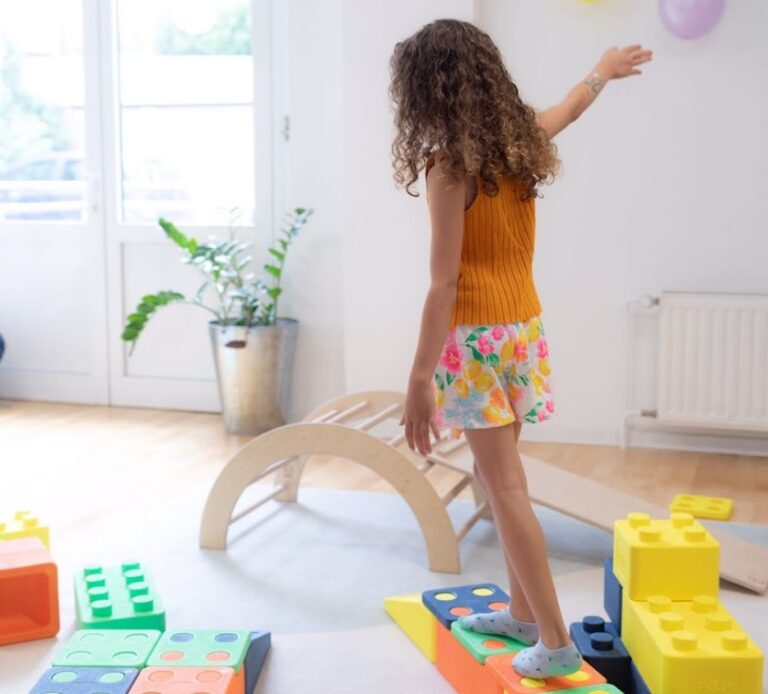
- Balance Beam Basics. Using a low beam or even a line on the floor, children can practice walking in a straight line. This activity enhances balance and concentration.
- Stretching Games. Incorporate playful stretches like “Reach for the Stars” or “Touch Your Toes,” which improve flexibility and prepare kids for more advanced movements.
- Obstacle Courses. Create a simple course with items to crawl under, jump over, or walk around. These courses encourage problem-solving and gross motor skill development.

As children grow, gymnastics routines become slightly more structured, focusing on refining skills and introducing discipline. Here are some activities designed for older toddlers and preschoolers:
- Jumping Circuits. Set up stations with small mats or hoops where children can practice jumping with two feet, hopping on one foot, or leaping over soft obstacles. This helps build leg strength and coordination.
- Basic Tumbling Sequences. Combine forward rolls, crab walks, and simple cartwheels into a short routine. This introduces kids to sequencing and rhythm in gymnastics.
- Shape Games. Ask children to form specific shapes with their bodies, like stars or bridges. This activity improves flexibility and body control.
- Balloon Balance. Have kids balance a balloon on different body parts or tap it lightly into the air. This game boosts focus, coordination, and reflexes.
- Group Movement Challenges. Games like “Follow the Leader” or “Simon Says” can incorporate gymnastics movements such as jumps, rolls, or stretches, promoting teamwork and creativity.
What to expect in a kids’ gymnastics class
Curious about what happens in a kids’ gymnastics class? The great news is that you don’t need to be a gymnastics expert to help your child thrive in this activity. These classes are designed to provide a fun and engaging environment where children can develop their skills, explore movement, and build confidence in a safe, structured setting. Here’s what you and your little gymnast can expect from the class structure to the equipment and the overall learning experience.
Structure of a kids’ gymnastics class
Gymnastics classes for kids typically follow a predictable and organized format, designed to provide a balance between fun and skill development:
- Warm-Up. Classes often start with light stretching and cardio activities, such as jumping jacks or running in place. This helps kids prepare their bodies for movement and prevents injuries.
- Skill Development Stations. The bulk of the class is spent at various stations where children practice foundational gymnastics skills like balancing, tumbling, and jumping. Stations are tailored to age and ability levels.
- Group Activities. Instructors may incorporate group games or routines to encourage teamwork and social interaction, keeping kids engaged and motivated.
- Cool-Down. The class ends with gentle stretches and calming exercises, helping kids relax and reflect on what they’ve learned.
Types of equipment used
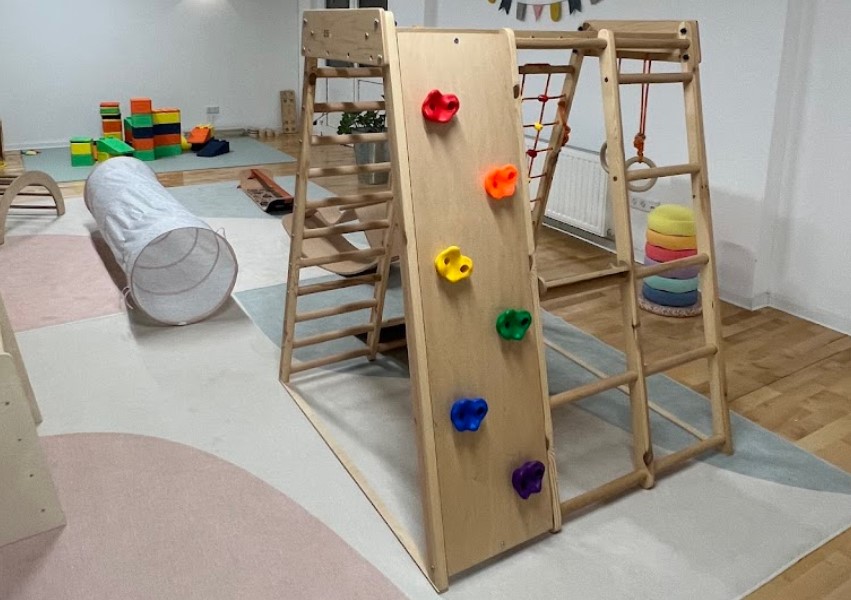
A variety of kid-friendly gymnastics equipment ensures that children can safely learn and practice skills. Below are some common items that may be available in a class:
- Balance Beams. Low beams help children develop balance and focus while building confidence.
- Foam Mats. Thick mats are used for tumbling and rolling, providing a safe surface for practicing falls and landings.
- Mini Trampolines. These are perfect for introducing kids to jumping techniques while improving coordination and strength.
- Rings and Bars. Adapted for young gymnasts, these help build upper body strength and introduce basic swinging motions.
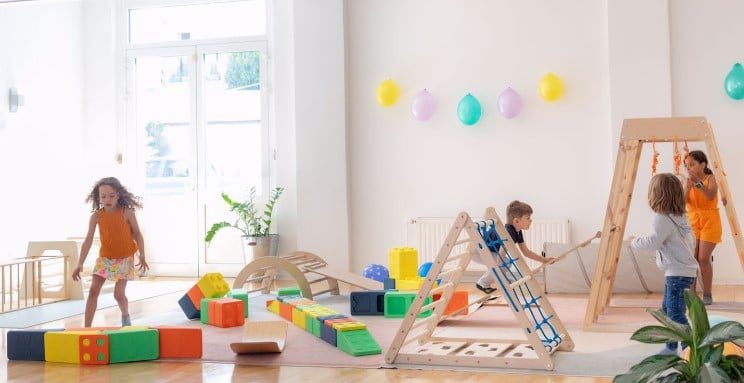
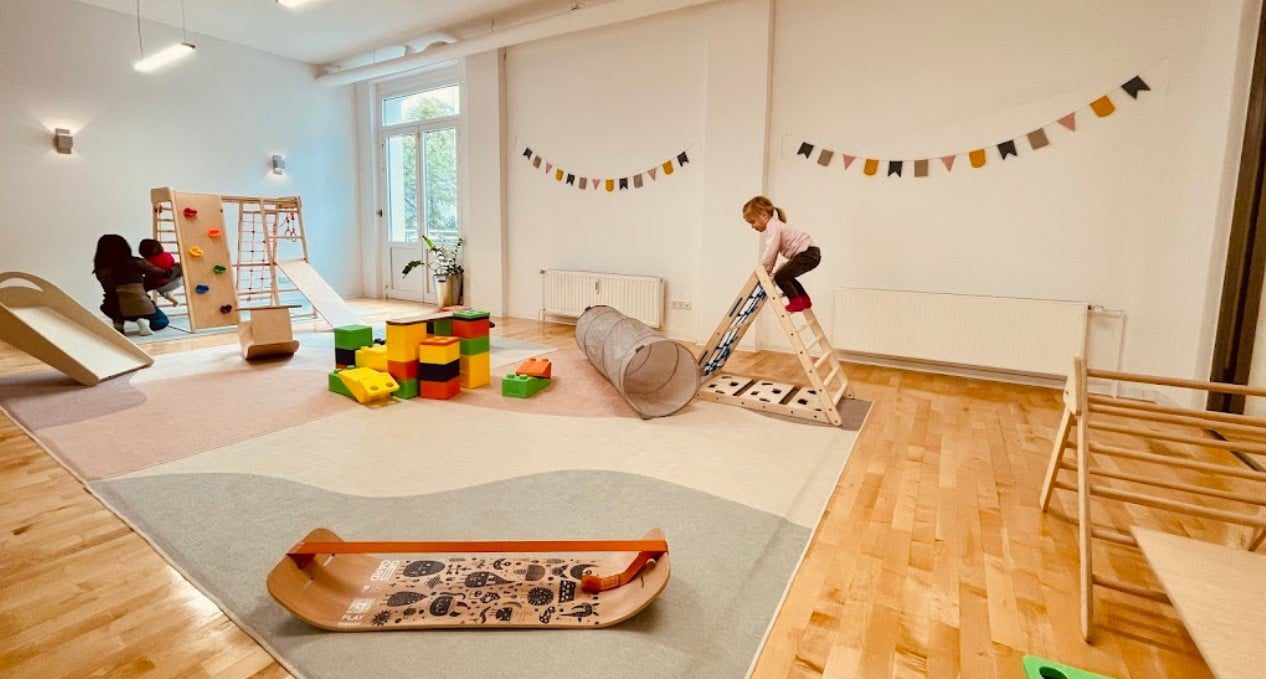
- Soft Blocks and Wedges. Used for climbing, sliding, and supporting movements like forward rolls, these tools make gymnastics accessible and entertaining.
It’s important to note that this is not a fixed list of equipment required for every class; the specific items may vary depending on the program and age group.
Class size
Kids’ gymnastics classes are typically small, with a ratio of one instructor to 10–12 kids. This allows for personalized attention and ensures that each child can learn at their own pace while staying safe.
What kids will learn and experience: The parent’s role in making gymnastics profitable for all
Gymnastics for kids offers a unique opportunity not only for children to thrive but also for parents to play an active role in their development. As a child-parent activity, gymnastics fosters a deeper bond, turning each session into a shared experience that benefits both parties.
- Physical Skills. Children learn essential movements like rolling, balancing, and jumping, building strength, coordination, and flexibility. Parents’ involvement adds encouragement and support, making the learning process smoother and more rewarding for kids.
- Cognitive Development. By following instructions, solving movement challenges, and learning sequences, kids improve focus, memory, and problem-solving skills. Parents who actively participate help reinforce these lessons at home, ensuring long-term benefits.
- Social Interaction. Gymnastics classes encourage teamwork, turn-taking, and cooperation. For parents, this is an opportunity to model positive social behaviors and support their child’s efforts in building meaningful peer relationships.
- Confidence and Resilience. When children achieve new skills, they gain a sense of accomplishment that boosts their confidence. Parents witnessing these milestones can provide immediate reinforcement, fostering resilience and pride in their child’s abilities.
- Fun and Creativity. Designed to be playful and imaginative, gymnastics classes allow kids to express themselves through movement. Parents participating in activities make the experience even more enjoyable, turning fitness into a shared source of joy and connection.
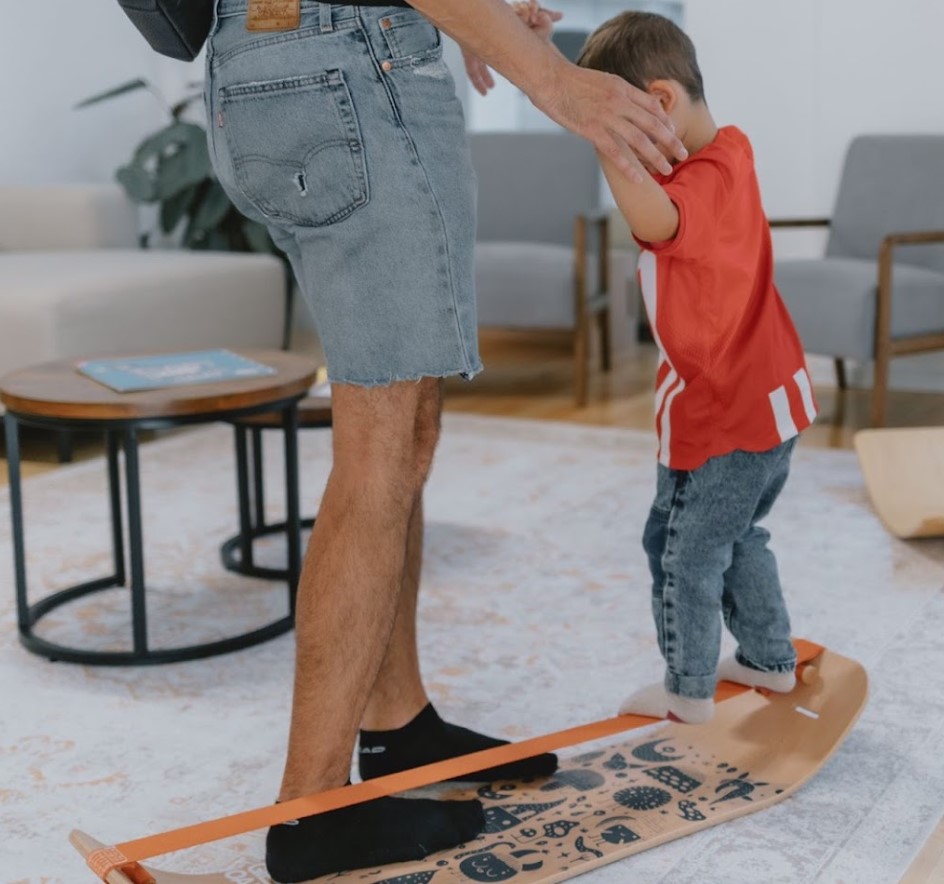
By participating in gymnastics with their child, parents help create a supportive environment that amplifies the benefits of the activity. It’s not just about skill-building — it’s about nurturing a deeper bond, encouraging healthy habits, and ensuring that kids feel supported every step of the way. Gymnastics for kids isn’t just a class; it’s a shared journey toward physical, emotional, and social well-being, but how to pick the right class?
How to choose the right gymnastics program for your child
Choosing the right gymnastics program for your child is an important decision that can shape their experience and development. By considering key factors and understanding the types of programs available, you can ensure your child has a safe, enjoyable, and enriching experience in gymnastics for kids. Below are the factors to consider when selecting a gymnastics class:
- Location and Accessibility. Choose a family center that is conveniently located to ensure consistent attendance. A nearby facility makes it easier to fit classes into your family’s schedule. However, it should not be the main factor.
- Qualified Instructors. Look for programs with certified instructors who have experience working with children. Great instructors balance skill development with joy and prioritize safety.
- Curriculum and Class Structure. Check if the program is age-appropriate and aligns with your child’s goals. For younger kids, programs should focus on foundational skills and play-based learning.
- Class Size. Smaller classes offer more individual attention, ensuring your child receives the guidance they need to progress safely.
- Safety Measures. Inspect the facility for clean, well-maintained equipment and safety protocols. A safe environment allows children to explore and grow confidently.
- Program Philosophy. Different family centers prioritize various values, philosophies, and teaching approaches. Select one that best aligns with your child’s interests and where they feel most comfortable.
- Trial Classes. Many Family Centers offer trial sessions. Attending a trial class helps you assess the program’s fit for your child in terms of comfort and engagement.
Safety tips for kids doing gymnastics
How can you ensure your child stays safe while enjoying the countless benefits of gymnastics for kids? Safety is always the top priority, creating a space where young gymnasts can explore new skills with confidence and joy. From proper warm-ups to choosing the right gear, these essential tips will help protect your child while fostering their growth. Let’s dive into the key ways to keep your young gymnast safe and thriving:
Warm-up routines: preparing the body for movement
A proper warm-up is essential to reduce the risk of injuries and prepare the body for physical activity.
- Stretching Exercises. Begin with light stretches that focus on major muscle groups like legs, arms, and the back. Stretching improves flexibility and reduces muscle tension.
- Dynamic Movements. Incorporate dynamic warm-ups, such as arm circles, gentle jogging, or jumping jacks, to increase blood flow and mobility.
- Skill-Specific Preparation. Practice basic gymnastics movements, like forward rolls or light balancing, to activate muscles used during class.
Proper gear: ensuring comfort and safety
The right equipment and clothing play a crucial role in keeping kids safe during gymnastics.
- Appropriate Attire. Children should wear snug-fitting clothing like leotards or athletic wear to allow unrestricted movement and prevent tripping. Avoid loose items, such as jewelry or baggy clothes.
- Non-Slip Footwear or Barefoot. Depending on the gym’s policy, non-slip gymnastics shoes or going barefoot ensures better grip on equipment and reduces the chance of slipping.
- Protective Gear. For certain activities, mats and padding provide additional safety.
Injury prevention: safe practices during training
Teaching children safe habits during gymnastics helps prevent injuries and creates a positive learning environment.
- Follow Instructor Guidance. Ensure children understand and follow their instructor’s instructions, as these are designed to promote safety and proper technique.
- Progress Gradually. Skills should be introduced in a step-by-step manner, allowing children to build confidence and strength before attempting advanced moves.
- Use Age-Appropriate Equipment. Ensure the equipment used matches the child’s age and size to prevent overexertion or strain.
- Supervision is Key. Children should always be supervised by qualified instructors or parents during practice to ensure they stay on track and use the equipment correctly.
- Rest and Recovery. Encourage children to rest when tired and take breaks as needed. Overtraining can lead to fatigue and increase the likelihood of injuries.
Why safety matters in gymnastics for kids
Prioritizing safety in gymnastics ensures that children can enjoy the routine while minimizing risks. By preparing properly, wearing the right gear, and practicing under expert supervision, kids gain the confidence to explore their potential in a secure and supportive environment. Safety-first gymnastics helps foster a positive relationship with physical activity that will benefit children for years to come.
Conclusion: Discover gymnastics for kids with us
Are you looking for an activity that can strengthen your child’s body and mind while sparking their love for movement? Encouraging your child to embrace gymnastics for kids can unlock a world of incredible benefits, from building physical strength and flexibility to developing mental resilience and confidence.
Imagine your child practicing balance on a beam, tumbling on soft mats, or joyfully interacting with peers. Gymnastics is more than just exercise — it’s a journey of self-discovery, discipline, and a love for movement that can last a lifetime. With the right program, your child can grow physically, emotionally, and socially in an environment designed to support their development.
Wondering how to get started? Choosing the right program is the first step, and the Montessori Family Center Gymnastics for Kids Course is your perfect solution. Designed specifically for toddlers and preschoolers, this program combines expert guidance with a playful, supportive environment that ensures children thrive. From engaging warm-ups to carefully planned skill-building routines, every class is crafted to prioritize safety, fun, and holistic growth.
Gymnastics for kids FAQ
Gymnastics for kids is a popular activity that combines entertainment, fitness, and foundational skills. Below, we answer the most common questions parents have about this engaging sport.
1. What is gymnastics for kids?
Gymnastics for kids is a structured activity designed to develop physical, mental, and social skills. It emphasizes age-appropriate movements like balancing, jumping, rolling, and stretching, promoting strength, coordination, and flexibility in a healthy and supportive environment.
2. What is the best age to start gymnastics for kids?
Children can start gymnastics as early as 18 months, focusing on foundational motor skills and playful exploration. Most programs recommend beginning between ages 2 and 3, though older children can still benefit from starting gymnastics.
3. Is gymnastics good for kids?
Yes, gymnastics is excellent for kids! It promotes overall health, boosts self-esteem, and provides a positive outlet for energy. Plus, it encourages a love for physical activity that can last a lifetime.
4. Why is gymnastics good for kids?
Gymnastics offers numerous benefits for kids, including improved physical fitness, mental focus, and emotional resilience. It helps children develop strength, flexibility, balance, and coordination while fostering discipline, confidence, and teamwork.
5. What skills do kids learn in gymnastics?
Kids learn a variety of skills in gymnastics, including tumbling, balancing, jumping, and basic acrobatics. Beyond physical abilities, they develop cognitive skills like focus, problem-solving, and social skills such as teamwork and patience.
6. How does gymnastics support child development?
Gymnastics supports child development by enhancing motor skills, building strength and flexibility, and fostering emotional resilience. It also helps children develop discipline, perseverance, and the ability to follow instructions.
7. What should my child wear to gymnastics class?
Children should wear snug-fitting clothing like leotards or athletic wear to allow unrestricted movement. Avoid loose items like jewelry or baggy clothes, and ensure their hair is tied back for safety.
8. Can gymnastics help with my child’s confidence?
Absolutely! Achieving new skills in gymnastics builds self-confidence and a sense of accomplishment. It encourages children to set goals and persevere, boosting their self-esteem in the process.
9. Are gymnastics classes safe for kids?
Yes, when conducted in a supervised environment with proper equipment and safety protocols, gymnastics is very safe for kids. Warm-ups, age-appropriate activities, and trained instructors all contribute to minimizing risks.
10. How do I choose the right gymnastics program for my child?
Look for programs with certified instructors, small class sizes, and age-appropriate equipment. A trial class can help you assess whether the program aligns with your child’s interests and comfort level.
References and further reading
Explore these valuable resources for more insights into the benefits and impact of gymnastics for kids:
- 10 Benefits of Gymnastics for Toddlers – A comprehensive overview of the physical, cognitive, and social benefits gymnastics provides for toddlers, emphasizing fun and foundational skill-building.
- 10 Incredible Benefits of Gymnastics for Toddlers – This article highlights how gymnastics can enhance a toddler’s motor skills, coordination, and confidence through age-appropriate activities.
- Gymnastics Experience Enhances Coordination and Control – A research study examining how gymnastics improves multi-segmental coordination and control, particularly in young children.
- Physical Activity and Health in Children under 6 Years of Age: A Systematic Review – This systematic review explores the critical role of physical activity, including gymnastics, in promoting health and development in children under six.
- Effects of a Recreational Gymnastics Program on Motor Proficiency of Young Children – ResearchGate
A detailed study on how recreational gymnastics enhances motor proficiency, boosting essential skills like balance, strength, and coordination.
These references provide in-depth information on the transformative power of gymnastics for kids, offering both research-backed insights and practical advice for parents and educators.