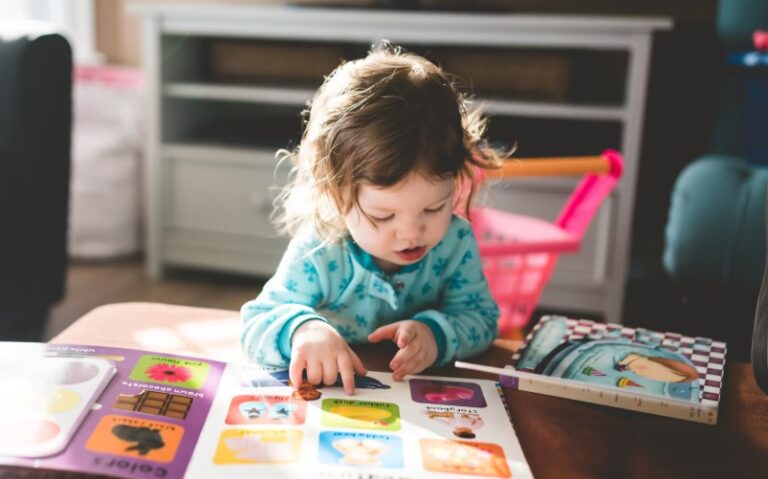
Looking to create a calm, empowering space for your toddler? A Montessori toddler room is more than a trend — it’s a thoughtful environment designed to nurture independence, confidence, and peace.
In this guide, you’ll discover practical Montessori toddler room ideas for ages 1–3, including real-life setups, must-have essentials, and smart solutions for small spaces. Whether you’re starting fresh or making small changes, we explore how to create a Montessori room for your toddler — one that’s simple, safe, and full of potential.
Why Montessori for toddlers’ rooms?
Your toddler’s bedroom could do more than just hold a bed and a pile of toys. What if it became a calm, inviting space that nurtures independence, builds confidence, and supports your child’s development every single day? That’s exactly what a Montessori toddler room is all about.
Inspired by the educational philosophy of Dr. Maria Montessori, these rooms are designed from the child’s point of view — literally. Everything is placed at their level, from the bed to the bookshelf, so they can move, explore, and make choices without relying on constant adult help. This setup may seem small, but its impact is huge. By allowing your toddler to independently choose a book or get dressed, you’re giving them a powerful message: I trust you. You can do it.
Unlike traditional toddler rooms filled with bulky furniture and bright distractions, a Montessori toddler room is intentionally simple and calm. The space is carefully curated to avoid overstimulation, support concentration, and foster a sense of ownership. Why is this so important? Toddlers thrive when their environment is consistent and predictable — it gives them the confidence to explore and try new things on their own terms.
Even small changes like placing a mirror at your toddler’s height or offering a floor bed instead of a crib can spark noticeable shifts in behavior. Children who feel empowered in their environment are often calmer, more cooperative, and more independent — qualities every parent hopes to nurture.
If you’re just beginning your Montessori journey at home, you’re not alone — and you’re in the right place. We’ll guide you through everything you need to know to create a Montessori room for your toddler.
Key principles of a Montessori toddler room
So what makes a room “Montessori”? It’s not about fancy toys or expensive furniture — it’s about intention. A Montessori room for a toddler is thoughtfully designed to support the child’s growing independence, freedom of movement, and natural desire to explore. Think of the room as a gentle guide that says, “You are capable. This space is for you.”
Let’s walk through the core principles that shape a Montessori toddler room — and why they matter so much for your child’s early development:
- Accessibility. In a Montessori setup, everything in the room should be within your toddler’s reach. This means low shelves where books and toys are displayed face-forward, a child-sized wardrobe or open clothes rack, and artwork hung at your toddler’s eye level. It’s not just cute — it’s empowering. When children can access their belongings independently, they start to take responsibility and make decisions for themselves. Isn’t that what we all want for them?
- Simplicity. Montessori rooms embrace calm and clarity. That means less clutter, fewer distractions, and carefully selected items on display. A curated environment allows toddlers to focus better and feel more secure. It also makes tidying up easier — for them and you!
- Freedom of movement. A toddler’s bedroom is not just for sleeping — it’s for living. The room should allow your child to move, stretch, crawl, and walk without restrictions. A floor bed replaces the crib, offering safe autonomy in sleep. Open space invites movement. Rugs, soft mats, or a reading nook on the floor can turn any corner into an opportunity for exploration.
- Natural materials. Whenever possible, choose wood, cotton, wool, and other natural elements over plastic or synthetic materials. These are not only more aesthetically pleasing — they also provide better sensory feedback and connect your child with the real world. A wooden mirror, a wool rug, a wicker basket for toys — small choices like these make a big difference.
The best part? You’re creating more than just a beautiful room. You’re shaping a space that encourages independence, confidence, and peace — one that will grow with your child. Let’s explore the essential elements of a Montessori room for toddlers.
Montessori toddler room essentials: What to include
So, what actually belongs in a Montessori toddler room? The answer might surprise you — it’s not much. That’s because minimalism is key. Every item should serve a purpose and be thoughtfully chosen to support your toddler’s independence, confidence, and safety. Let’s walk through some Montessori toddler room ideas that are both practical and inspiring.
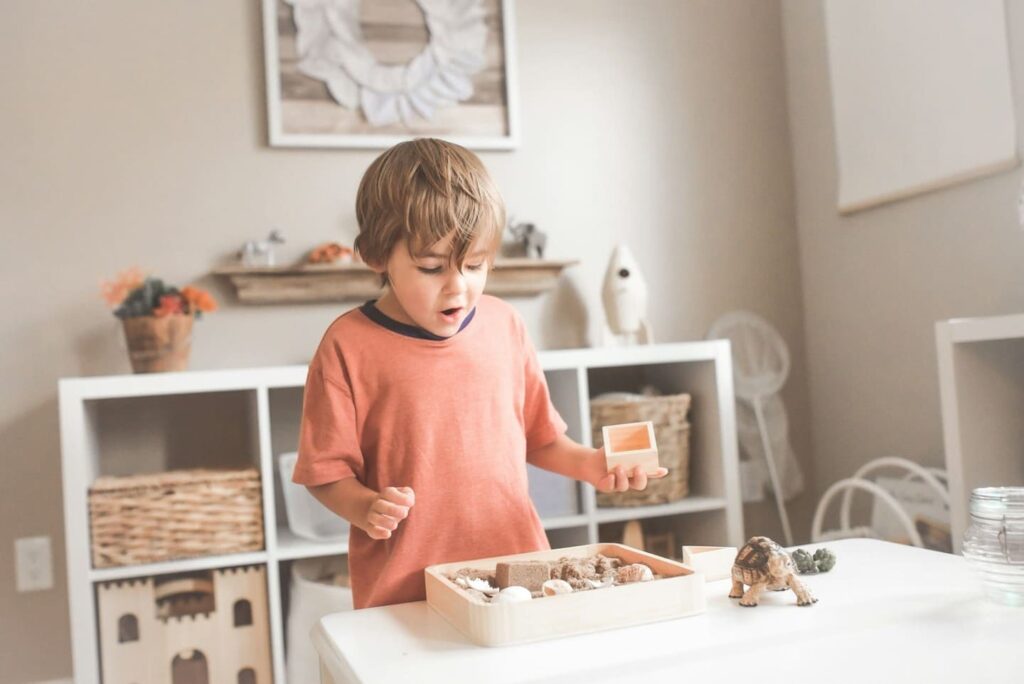
Montessori floor bed
Say goodbye to cribs and hello to freedom! A simple mattress on the floor gives your toddler the autonomy to get in and out of bed independently. It also encourages safe movement and supports healthy sleep routines. A Montessori floor bed respects your child’s abilities and fosters trust from the very beginning.
Mirror at child’s height
A securely mounted mirror at your toddler’s level allows them to observe themselves as they move, stretch, or get dressed. It promotes self-awareness and coordination — and yes, they’ll absolutely love seeing their own reflection! Try pairing it with a soft mat or movement area to make it even more engaging.
Child-sized wardrobe or dresser
Imagine your toddler walking up to a small wardrobe and picking out their clothes for the day. With low-hanging options or a small drawer system, this becomes a daily reality. It’s a simple change that supports decision-making and independence.
Low bookshelf
Books displayed with their covers facing out are far more inviting than a crammed row of spines. A low shelf with a few rotating options helps your child focus and encourages reading. Keeping the selection small helps prevent being overwhelmed and supports meaningful engagement with each story.
Nature-themed or neutral decor
Montessori rooms are calm and grounded, just like nature. Avoid bright, overstimulating colors and opt for soft neutrals, wood tones, or gentle greens. Add a plant (safely out of reach), nature-themed artwork, or woven baskets to bring the outdoors in. These details create a peaceful environment that encourages focus and emotional regulation.
And remember — safety is non-negotiable. All furniture should be anchored, cords tucked away, and objects chosen with both curiosity and caution in mind.
If you’re feeling overwhelmed by all the possibilities, take a breath. Start small. Even one or two of these elements can transform the feeling of your toddler’s space. Your toddler’s room isn’t just a place to sleep — it’s their first little world.
Realistic Montessori room setups
Creating the perfect Montessori toddler room might sound amazing, but what does it look like when you’re working with a tiny apartment, a tight budget, or a room shared with siblings? The truth is, Montessori doesn’t need to be picture-perfect. It just needs to be intentional.
Many parents in the toddler room Montessori community are finding creative ways to adapt the principles to their everyday reality, and the results are just as inspiring as the curated Pinterest versions.
Don’t ignore DIY options
In a popular Reddit thread, parents shared how they’ve brought Montessori into their homes without overhauling everything. One user mentioned using an IKEA KALLAX shelf laid on its side as a child-accessible bookshelf. Another placed a simple foam mattress on the floor with wall bumpers to serve as a DIY floor bed — practical, safe, and cost-effective.
Others talked about using a small wardrobe with just a few clothing options instead of a full open closet. Why? Because it works — and it’s manageable. As one parent put it: “It’s not about being perfect. It’s about making small changes that give my child more independence.”
Follow basic Montessori toddler room principles
This Montessori toddler bedroom tour shares how a family designed a warm, inviting space using soft lighting, neutral tones, and minimal furniture — all with budget-friendly pieces. Their solution for a shared room? Define zones using rugs and storage baskets, so each child has their own space within a shared layout.
What stands out in these real-life setups is the thoughtful use of space and the focus on the child’s experience. No one is stressing about matching wood tones or buying every Montessori-labeled item. Instead, they’re asking questions like: Can my child reach this book? Can they put away their toys by themselves? Does this space feel calm and welcoming?
And that’s the beauty of it. Montessori isn’t a strict checklist — it’s a mindset. You can start small, make it work for your home, and build from there. Even just lowering a mirror, rotating toys, or switching to soft lighting can begin to shift how your child interacts with their environment.
Curious about how Montessori works in other parts of your house? Look at our guide on how to do Montessori at home.
At the end of the day, it’s not about creating a magazine-worthy space. It’s about creating a room where your toddler feels confident, independent, and at peace, no matter how big or small the space may be.
Common mistakes to avoid in Montessori toddler rooms
Even with the best intentions, it’s easy to miss the mark when creating a Montessori toddler room. The good news? Most common mistakes are simple to fix, and recognizing them is a powerful first step. Let’s take a look at what to watch for and how to course-correct with ease.
- Too many toys. It’s tempting to fill your child’s room with every cute or educational toy you come across. However, Montessori emphasizes quality over quantity. Too many options can overwhelm your toddler and lead to overstimulation. Instead, display just a few toys at a time on an open shelf — rotate them weekly to keep things fresh and focused.
Fix: Start with 4–6 toys that support different types of play (fine motor, imaginative, sensory). Observe what your child gravitates toward and rotate based on interest. - Inaccessible furniture. A toddler can’t become independent if everything in their room is out of reach. High shelves, tall dressers, and heavy drawers work against the Montessori approach.
Fix: Use low shelves, floor beds, and open baskets to encourage exploration and self-directed learning. - Unsafe setup. Montessori encourages freedom of movement, but that doesn’t mean skipping safety. Wobbly furniture, loose cords, or unstable mirrors can pose real risks.
Fix: Anchor shelves and dressers to the wall, use child-safe mirrors, and double-check that everything in your toddler’s reach is sturdy and secure. Safety and independence go hand in hand. - Visual clutter. Montessori rooms are meant to be calm, peaceful spaces. Too much wall art, bright colors, or busy patterns can make it harder for toddlers to concentrate or relax.
Fix: Choose soft, neutral colors and simple artwork. Natural light, minimal decor, and natural textures like wood and cotton can do wonders in creating a grounded, serene atmosphere. - Ignoring the child’s perspective. A Montessori room for a toddler should feel like it belongs to the child, not just the adult. Sometimes, we forget to get down to their level and see what they see.
Fix: Sit on the floor. Can your toddler reach their books? See themselves in the mirror? Choose clothes easily? Making small adjustments from their perspective can dramatically change how they use their space.
If you’re unsure where to begin, don’t worry — you’re not alone. Many parents start with just one change, like switching to a floor bed or lowering a shelf, and build from there. And if you’re ready to go deeper, check out our age-specific tips for evolving your toddler’s space as they grow.

Montessori room setup by age: 1 to 3 years
Your toddler grows fast, and so should their room. A Montessori toddler room isn’t static; it’s a living space that evolves with your child’s abilities, interests, and independence. What works at 12 months might feel limiting at 3 years. So, how do you keep up?
Let’s explore how your toddler’s room can adapt across the early years, building independence one step at a time.
Age 1: Keep it simple and safe
At this age, your toddler is just beginning to explore the world on their own. Their room should reflect that — calm, cozy, and designed to encourage safe movement.
- Floor bed for independent sleep
- Low shelf with 3–4 simple toys
- Mirror mounted at floor level
- Soft rug or mat for tummy time and crawling
- One piece of artwork at the child’s eye level
In this 1-year-old room tour, you’ll see how just a few thoughtful elements can create a rich, respectful space for exploration. Keep the room uncluttered and predictable to help your child feel safe and confident.
Age 2: Support emerging independence
Two-year-olds are full of energy, curiosity, and the desire to do things “by myself!” Their room should now offer more tools for choice and responsibility.
- Add a dressing area with a mirror and a few clothing options
- Include a low stool or step to reach items
- Rotate books and toys more regularly
- Offer a place for quiet time — a reading nook or cushion corner
This Montessori bedroom setup at age two shows how a simple wardrobe, cozy corner, and flexible layout can empower your toddler to get dressed and wind down independently. You’re setting the stage for even more autonomy.
Age 3: Encourage full participation
By age three, your child is ready for more ownership of their space. The room should reflect their personality and preferences while continuing to support practical life skills.
- Expand their clothing choices and involve them in organizing their room
- Add open-ended toys and more complex puzzles
- Include a basket for dirty clothes and a bin for laundry-ready items
- Display books and artwork based on their current interests
According to this guide for 3-year-olds, your child is now capable of helping care for their space. It’s the perfect time to introduce soft routines around tidying up, choosing clothes, and preparing for rest — all with your gentle support.
Wherever your toddler is in their journey, one thing remains the same: your respect for their growth. A Montessori room for a toddler doesn’t just meet their needs — it celebrates their progress and reminds them, every day, that they are trusted and capable.
Final words: Create a Montessori space that grows with your toddler
Creating a Montessori toddler room isn’t about reaching perfection — it’s about progress. It’s about building a space that grows with your child, nurtures their independence, and reflects your deep respect for who they are becoming.
Whether you’re starting with a floor bed, adding a child-sized wardrobe, or simply removing a few overstimulating toys, every small step matters. You’re sending a powerful message: “I trust you. This space is made for you.”
And no, your home doesn’t need to look like a Montessori showroom. The beauty of this approach is in its flexibility. It’s not about expensive materials or flawless aesthetics — it’s about intention. When you slow down and design from your toddler’s point of view, you create an environment that invites calm, confidence, and exploration.
Your toddler’s room can be so much more than a place to sleep. It can be their first space of true belonging — where they learn to choose, to care, to rest, and to grow. And just like them, it will change over time, evolving to meet new milestones and new joys.
If you’re wondering where to go next, you don’t have to figure it all out alone. Visit the Montessori Family Center to learn more about how to bring Montessori into your home — not just in the bedroom but in your parenting, your routines, and your daily rhythm. You’ll find guidance, inspiration, and practical tools for every step of your journey.
Because in the end, Montessori isn’t just a room. It’s a way of seeing your child — and helping them become exactly who they’re meant to be.
Frequently asked questions about Montessori toddler rooms
1. What is a Montessori toddler room?
A Montessori toddler room is a child-centered space designed to promote independence, calm, and freedom of movement. Everything in the room — from furniture to toys — is placed at the child’s level to support self-directed learning and decision-making.
2. At what age should I set up a Montessori room for my toddler?
You can begin as early as 12 months. Many parents introduce a Montessori-style room when transitioning from a nursery to a toddler setup, usually between ages 1 and 3.
3. What are the must-have items in a Montessori toddler room?
Key items include a floor bed, a low bookshelf, a mirror at child height, a child-sized wardrobe, and a few open-ended toys or books. These essentials help toddlers develop independence and self-confidence.
4. How do I keep a Montessori toddler room minimal but functional?
Limit the number of toys on display, choose multi-use furniture, and use baskets or trays for organization. Rotate toys regularly to keep things fresh without adding clutter.
5. Can I create a Montessori room in a small space or shared bedroom?
Absolutely. Montessori principles work in any space. Use low shelves, floor beds, and defined areas (like rugs or curtains) to create a sense of order and ownership, even in shared or small rooms.
6. Are Montessori toddler rooms safe without a crib?
Yes — when set up correctly. A floor bed eliminates the need for crib rails while allowing freedom of movement. Make sure all furniture is anchored, cords are hidden, and the environment is fully baby-proof.
7. How do I choose the right toys for a Montessori toddler room?
Choose toys made from natural materials that encourage open-ended play. Examples include stacking blocks, shape sorters, wooden puzzles, and simple pretend-play items.
8. What colors or themes work best in a Montessori toddler room?
Soft neutrals, earth tones, and nature-themed decor help create a calm atmosphere. Avoid bright, overstimulating colors or busy wall patterns that can distract your child.
9. How often should I update or rotate items in a Montessori toddler room?
Rotate toys and books every 1–2 weeks or when your child loses interest. Updating the room seasonally or as your child reaches new developmental milestones also keeps the space engaging and functional.
10. Where can I learn more about creating a Montessori environment at home?
Visit the Montessori Family Center to explore guides on Montessori parenting, daily routines, and activity ideas — all designed to help you create a peaceful, child-led home.
References and further reading
If you’re looking for more insight into Montessori toddler room ideas, layouts, and setups, these resources offer a wealth of inspiration and practical advice:
- How to Montessori Your Two-Year-Old’s Bedroom by How We Montessori (Lovevery Blog)
- 1-Year-Old Montessori Bedroom (The Kavanaugh Report)
- Montessori Toddler Bedroom at 2 Years (The Kavanaugh Report)
- Montessori Bedroom Ideas at Three Years (How We Montessori)
- Realistic Montessori Toddler Bedroom (Reddit – r/toddlers)
- Montessori Toddler Bedroom Tour (Home and On the Way)
- Montessori Family Center Blog – Montessori Parenting, Spaces, and Activities