
Parenting is one of the most rewarding — and sometimes most challenging — journeys you’ll ever take. Have you ever wondered how to respond when your toddler throws food, says “no” to everything, or spends more time with a screen than with toys? You’re not alone. That’s exactly where Montessori parenting tips can make a difference.
The Montessori-style approach to parenting shifts the focus from controlling your child to truly observing them, respecting their pace, and creating an environment where independence and curiosity flourish. Instead of asking, “How do I stop this behavior?” Montessori encourages you to ask, “What is my child trying to tell me?”
In this guide, you’ll discover a collection of practical Montessori parenting guides tailored for real-life situations — from early childhood development to supporting special needs. Whether you’re looking for ideas on sensory play, early literacy, or navigating everyday defiance, the Montessori way of parenting offers strategies that are gentle, effective, and rooted in respect. Take a moment, explore the resources, and see how small changes in your approach can create lasting harmony at home.
What is Montessori parenting?

Have you ever felt that traditional parenting advice leans too much on control, correction, or “because I said so”? Montessori parenting takes a different path. It’s a philosophy rooted in respect for the child as an individual, encouraging them to grow at their own pace while developing independence, curiosity, and responsibility.
At its heart, Montessori-style parenting is about creating an environment where children can make choices, explore freely, and learn naturally from their surroundings. Instead of forcing behaviors, parents act as guides — observing, supporting, and stepping back when their child is ready to try things on their own.
This Montessori way of parenting has gained global recognition because it not only supports academic growth but also nurtures emotional resilience, problem-solving, and self-confidence. Families who practice it often describe their homes as calmer, with children showing greater respect for themselves and others. Let’s explore some essential parenting tips the Montessori way — practical advice you can start applying right now.
Essential parenting tips the Montessori way
Every parent faces moments of doubt — whether it’s dealing with too much screen time, hearing endless “no’s,” or watching toys fly across the room. Instead of seeing these moments as battles, Montessori parenting tips encourage you to treat them as windows into your child’s development. By shifting the focus from control to understanding, you can navigate daily challenges with more calm, connection, and confidence.
The resources below serve as practical Montessori parenting guides, offering insights for real-life situations. Each one shows how the Montessori way of parenting transforms tricky moments into opportunities for learning and growth.

Montessori parenting tips for choosing toys over touchscreens
Screens are everywhere — but how much is too much? In our guide on toys vs touchscreens, we explore why hands-on play is essential for healthy development, especially in the early years. Montessori emphasizes real-world exploration over passive entertainment, helping children build focus, creativity, and problem-solving skills.
This article doesn’t demonize technology but instead helps you find balance. You’ll learn when screens might be appropriate and how to choose Montessori-aligned toys that truly support growth, giving you peace of mind in today’s digital world.
Using books as your Montessori parenting guides
Sometimes the best advice comes from timeless wisdom. Our article on Montessori parenting books summarizes essential titles, from Dr. Maria Montessori’s original works to modern interpretations tailored for today’s families.
These summaries highlight key takeaways, making it easier for you to pick the right resource for your journey. Whether you’re new to Montessori or looking to deepen your practice, these books can become trusted guides in your parenting toolkit.
How to respond when your child says “no” to everything
Hearing “no” over and over can test any parent’s patience. But as explained in our article on childhood defiance, this stage is actually a healthy sign of your child’s growing independence.
The Montessori approach encourages you to listen to the meaning behind the “no,” offering choices and empathy rather than turning it into a battle of wills. With the right strategies, you can turn these frustrating moments into opportunities for cooperation and trust-building.
Understanding children’s throwing behaviour
When your child throws food, toys, or anything else within reach, it might look like chaos. But our article on children’s throwing behavior explains that this impulse often comes from curiosity, sensory exploration, or the need to release big emotions.
Instead of punishing the behavior, Montessori suggests observing and redirecting. By offering safe outlets and alternatives, you can help your child explore cause and effect while also learning boundaries, responsibility, and self-control.
Montessori parenting tips for special needs
One of the most powerful strengths of the Montessori philosophy is its inclusivity. Instead of expecting every child to meet the same milestones at the same pace, Montessori parenting tips emphasize meeting children exactly where they are. This makes the approach especially supportive for children with special needs — whether they are on the autism spectrum, have ADHD, or simply learn differently.
By focusing on hands-on learning, independence, and freedom within structure, Montessori-style parenting offers flexibility that can be tailored to each child. Environments are carefully prepared to reduce overwhelm, encourage self-regulation, and build confidence through meaningful activities. For parents seeking guidance and educators searching for inclusive strategies, the resources below provide practical insights.

Montessori and autism: Tailoring education to unique needs
Every child with autism is unique, with strengths and challenges that may not fit into traditional classrooms. Our article on Montessori and autism explores how Montessori methods can be adapted to honor sensory needs, support social interaction, and nurture autonomy.
Rather than trying to correct or “fix” behaviors, Montessori environments emphasize calm, choice, and respect for the child’s pace. You’ll also find practical advice for parents and educators, including strategies for creating structured yet flexible routines, easing transitions, and building communication supports.
Montessori and ADHD: Balancing structure and freedom
Children with ADHD often thrive when given opportunities for movement, independence, and self-directed learning — all core aspects of Montessori. In our guide on Montessori and ADHD, you’ll discover how Montessori classrooms create focus and structure without stifling a child’s natural energy.
This article highlights how freedom within limits can help children with ADHD practice self-discipline through choice rather than control. It also addresses potential challenges, such as breaking tasks into smaller steps or integrating movement breaks into daily routines. For parents wondering if Montessori is the right fit, this guide provides reassurance, clarity, and actionable strategies.
Parenting tips for early childhood development
The first six years of life are often called the “sensitive period” in Montessori — a time when children absorb information from their environment with astonishing ease. This stage is about more than learning words or taking first steps. It’s about shaping the foundation for independence, confidence, and curiosity. With the right guidance, everyday activities become opportunities for growth.
Instead of rushing children through milestones, Montessori parenting tips encourage parents to slow down, observe, and create spaces where natural development can unfold. From fine motor skills to literacy, sensory play to crawling, the following Montessori parenting guides show how to support your child’s journey with respect and care.
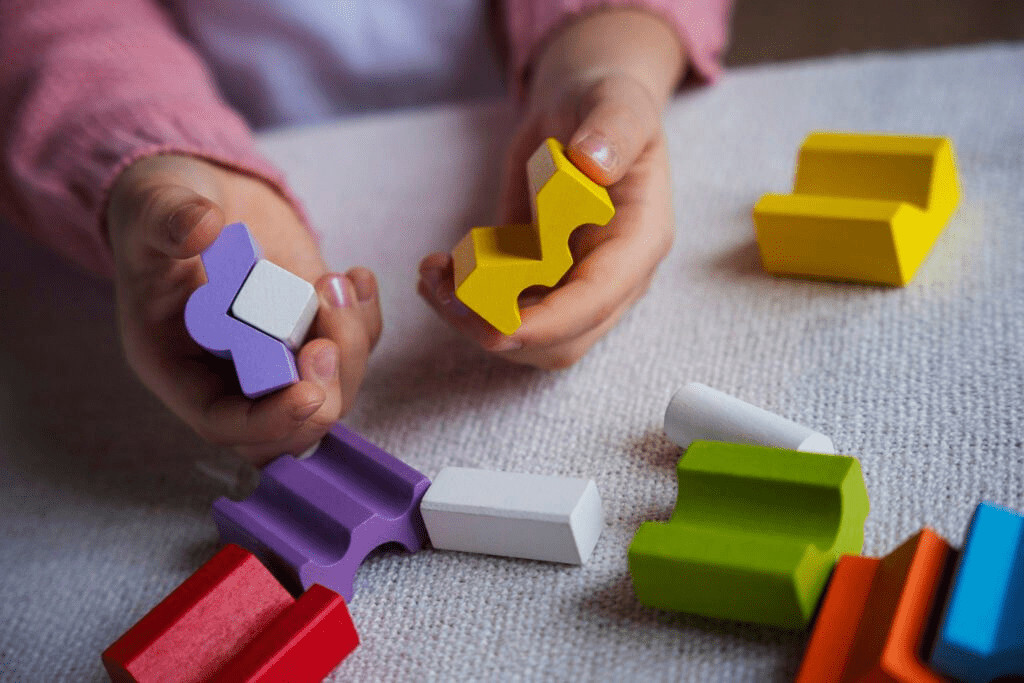
Fine motor skills in children aged 0–3 years
The ability to grasp, pour, and manipulate objects lays the groundwork for independence. In our article on developing fine motor skills in children aged 0–3, you’ll find practical ideas rooted in Montessori parenting. Activities like threading, stacking, and spooning not only build muscle control but also strengthen focus and patience.
Rather than stepping in to correct, Montessori parents allow repetition and self-discovery to fuel growth, helping little ones develop both skill and confidence.
The role of sensory play in Montessori parenting
Have you noticed how young children love pouring, touching, and listening to different sounds? That’s because sensory experiences are their way of understanding the world. In our article on the role of sensory play in early childhood, we explore how hands-on, multi-sensory activities help regulate emotions, build focus, and strengthen brain connections.
By weaving sensory play into daily life — from cooking with different textures to exploring outdoor sounds — you can enrich your child’s development while keeping learning joyful.
Also, check our guide on construction play and how it aligns with Montessori.
Supporting the crawling stage with Montessori methods
In a world eager to see babies walk, Montessori reminds us that crawling is just as important. Our guide on the Montessori approach to crawling highlights how this stage builds coordination, spatial awareness, and problem-solving skills.
Practical suggestions include giving your child safe floor spaces, simple obstacles to navigate, and plenty of time for free movement. Each small shuffle forward isn’t just about mobility — it’s about discovering independence.
Also, learn about Montessori crawling groups and the benefits they offer.
Crawling explained: Why it matters and how to encourage it
For a deeper dive, our essential guide to crawling breaks down the neurological and developmental benefits of crawling. This stage supports bilateral coordination, cross-lateral movement, and even later skills like reading and writing.
The guide also includes parent-friendly tips like tummy time, playful motivation, and the use of floor beds to encourage movement. It’s a reminder that milestones aren’t just checkboxes — they are stepping stones in a child’s lifelong journey.
Early literacy from babble to books
Language begins long before letters. In our article on early literacy in kids, you’ll discover how Montessori-style parenting nurtures literacy through conversation, storytelling, and naming everyday objects.
From singing with infants to exploring sounds and symbols with toddlers, Montessori creates a gentle progression that makes reading a natural outcome of curiosity and joyful interaction.
Final thoughts: Building your Montessori parenting journey
At the end of the day, Montessori parenting tips are not about following strict rules or creating a perfect routine. They’re about observing your child closely, respecting their individuality, and offering gentle guidance as they grow. The Montessori way of parenting reminds us that every challenge — whether it’s saying “no,” throwing toys, or navigating special needs — is also an opportunity to connect, learn, and build resilience together.
Rather than striving for control, the goal is to foster independence, empathy, and curiosity. With patience and consistency, Montessori-style parenting helps transform everyday life into meaningful moments of growth for both you and your child.
If you’d like to explore more resources, inspiration, and practical guides, visit the Montessori Family Center. It’s your hub for parenting advice, activity ideas, and community support designed to help you bring Montessori principles into your home with confidence.
FAQ: Parenting tips the Montessori way
1. What are Montessori parenting tips and why are they different from traditional advice?
Montessori parenting tips focus on observing the child, fostering independence, and respecting natural development, rather than using control, punishment, or reward systems.
2. How can Montessori style parenting be applied at home?
You can create a child-friendly environment with low shelves, accessible materials, and opportunities for choice. Daily routines like cooking, cleaning, or dressing can all become learning experiences.
3. Is Montessori parenting only for preschoolers?
No — the Montessori way of parenting begins at birth and can be adapted through infancy, toddlerhood, preschool, and even school-age years.
4. How do Montessori parenting guides help with everyday challenges?
They provide step-by-step strategies for situations like throwing food, constant “no’s,” or balancing toys and screens, turning struggles into learning opportunities.
5. Can Montessori parenting tips support children with special needs?
Yes — Montessori style parenting is highly adaptable, offering flexible routines and hands-on activities that can be tailored for children with autism, ADHD, and other needs.
6. What role do toys play in Montessori parenting?
Montessori emphasizes open-ended, tactile toys over electronic gadgets. These toys encourage exploration, problem-solving, and creativity.
7. How does Montessori parenting support early literacy?
Language development starts with listening and speaking. Montessori parents use storytelling, singing, and object naming to build vocabulary, later introducing materials like sandpaper letters.
8. Why does Montessori place importance on crawling?
Crawling supports muscle development, coordination, and even future reading skills. Montessori guides encourage parents to give children plenty of time and safe spaces to explore this stage.
9. Do Montessori parenting tips limit screen time?
They don’t ban technology but encourage balance. Montessori parents prioritize real-world exploration and hands-on learning before introducing screens.
10. Where can I find Montessori parenting resources?
You can explore Montessori parenting guides, books, and communities online. A great starting point is the Montessori Family Center for articles and support.